


Technology Update
Apple Is 8 Years Late? China's Royole Launched a Foldable Phone Back in 2018
/index.php
Bisnis | Ekonomi - Posted on 18 March 2025 Reading time 5 minutes
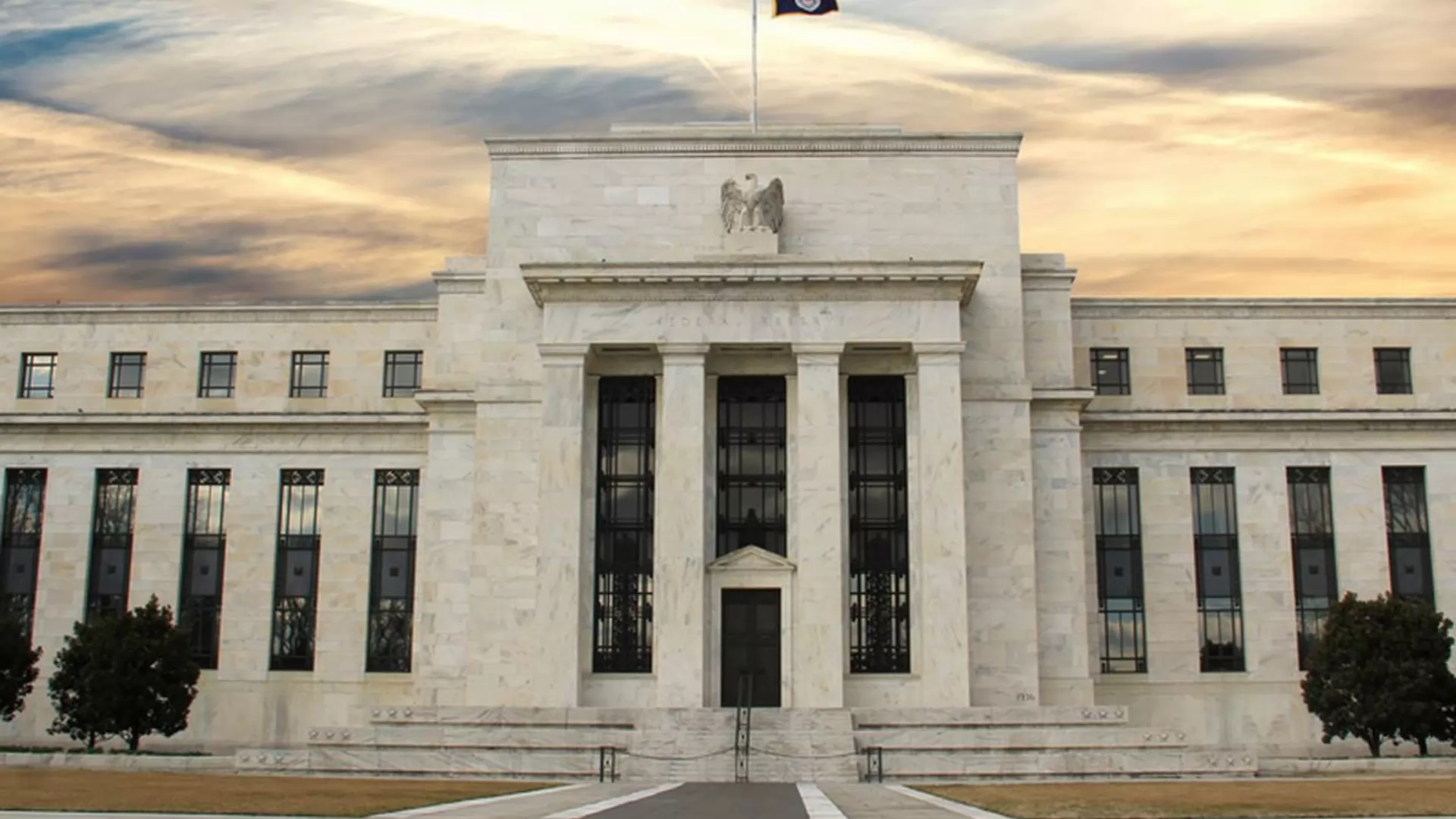
Central banks worldwide are preparing for the impact of US President Donald Trump's trade policies, which continue to put pressure on the global economy. This week, several central banks, including the US Federal Reserve and Bank Indonesia, are scheduled to meet to decide on monetary policy and benchmark interest rates.
In recent months, central banks in the US, UK, and Japan have made interest rate decisions. However, with global tariffs on steel and aluminum now in place and rising tensions with Canada, China, and the European Union, challenges to global trade have become more pronounced. Many central banks are expected to hold interest rates steady in the near term while awaiting clarity on the impact of Trump's policies on growth and inflation.
The Federal Reserve, for instance, is unlikely to cut rates this week, despite worsening market sentiment and recession fears shaking Wall Street last week. The most likely scenario is that interest rates will remain unchanged in the US, Japan, the UK, and Sweden. Similarly, central banks in South Africa, Russia, and Indonesia are expected to follow suit.
Bank Indonesia (BI) is expected to hold its benchmark interest rate steady on Wednesday (March 19, 2025) to curb pressure on the weakening rupiah amid growing global trade tensions. However, a Reuters poll suggests that the central bank may cut rates in the coming quarters to support economic growth.
A Reuters survey of 31 economists found that 19 expect BI to maintain its 7-Day Reverse Repo Rate at 5.75%, while 12 anticipate a 25-basis-point cut. Deposit and lending facility rates are also projected to remain at 5.00% and 6.50%, respectively.
ANZ’s Chief Economist for Southeast Asia and India, Sanjay Mathur, stated that current conditions do not support a rate cut. "The rupiah remains under pressure. Given the high uncertainty, we expect BI to delay cutting rates until conditions stabilize," he said.
Meanwhile, the Bank of Japan (BOJ) is expected to keep its monetary policy unchanged this week. The focus remains on whether the weakening yen, high inflation, and strong wage growth could prompt a rate hike in May.
In China, the People's Bank of China (PBOC) is likely to maintain its key lending rate in line with government policies to boost consumption and household income. The Bank of England is also expected to keep its interest rate at 4.5%, despite recent economic contraction data.
Source: bisnis.com
What do you think about this topic? Tell us what you think. Don't forget to follow Digivestasi's Instagram, TikTok, Youtube accounts to keep you updated with the latest information about economics, finance, digital technology and digital asset investment.
DISCLAIMER
All information contained on our website is summarized from reliable sources and published in good faith and for the purpose of providing general information only. Any action taken by readers on information from this site is their own responsibility.
SHARE
VIEW


