


Technology Update
Apple Is 8 Years Late? China's Royole Launched a Foldable Phone Back in 2018
/index.php
Bisnis | Ekonomi - Posted on 12 June 2025 Reading time 5 minutes
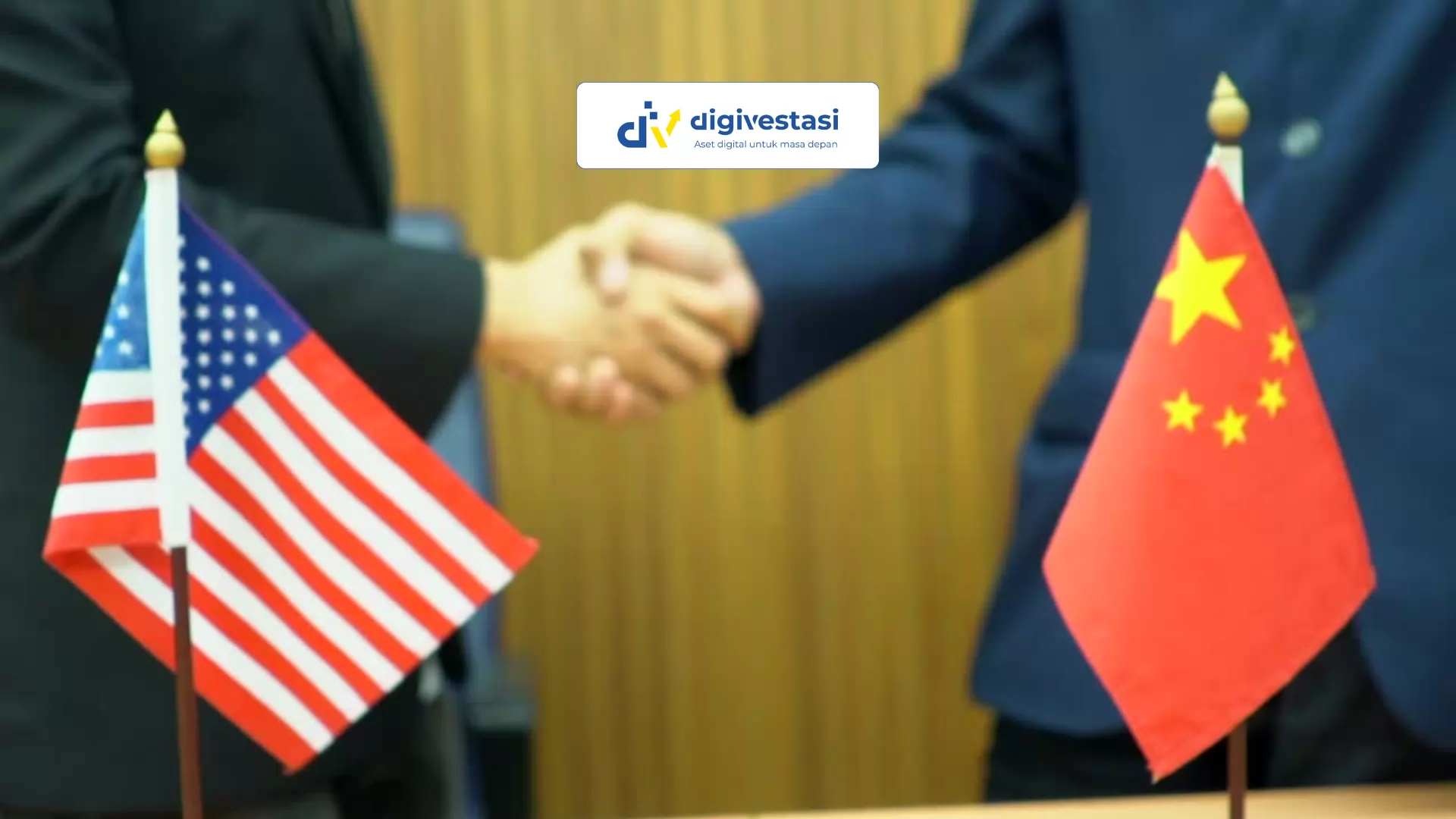
U.S. President Donald Trump elaborated on the latest trade agreement reached between the United States and China, which was negotiated by both nations in London amid escalating trade tensions.
In his statement, Trump declared that the agreement with China was finalized. He revealed that China will supply magnets and rare earth minerals—crucial materials for the automotive industry—while the U.S. will allow Chinese students to continue studying at American colleges and universities.
"WE GET A TOTAL TARIFF OF 55%, CHINA GETS 10%. THE RELATIONSHIP IS VERY GOOD!" Trump wrote on Truth Social without offering additional clarification.
"CHINA WILL PROVIDE FULLY AND UPFRONT ALL NECESSARY MAGNETS AND RARE EARTHS. IN RETURN, WE WILL HONOR OUR AGREEMENT, INCLUDING ACCESS FOR CHINESE STUDENTS TO OUR COLLEGES AND UNIVERSITIES (ALWAYS GOOD FOR ME!)."
A White House official noted that the agreement enables the U.S. to impose a total 55% tariff on Chinese imports. This includes a 10% basic “reciprocal” tariff, an additional 20% on fentanyl-related trade, and a 25% continuation of previous tariffs.
In contrast, China will impose a 10% tariff on U.S. imports.
Officials from both countries announced on Tuesday that they had reached a framework to restore their trade truce, which also involves lifting Beijing’s export restrictions on rare earth metals.
After two intense days of negotiations in London, U.S. Commerce Secretary Howard Lutnick stated that the framework agreement serves as a continuation of the Geneva consensus reached last month to ease the tit-for-tat tariffs that had reached triple-digit percentages.
"Current U.S. tariffs on China will remain unchanged. That’s a certainty," he told CNBC International.
Meanwhile, the Chinese government has not officially confirmed Trump’s statement, though on Tuesday it acknowledged agreeing to the terms of the earlier "Geneva consensus" trade pact with the U.S.
Business Sector Response
The latest headline in the ongoing trade war emerged as import orders declined following the expiration of the initial 2025 tariff period, prompting businesses across the U.S. economy to brace for a potential slowdown.
Jamie Dimon, CEO of JPMorgan—America’s largest bank—expressed concern that real economic figures might worsen soon. He made the comment at a Morgan Stanley event on Tuesday, prior to Trump’s statement.
Alan Baer, CEO of logistics firm OL USA, warned that the current 55% tariff on Chinese goods could harm hundreds, if not thousands, of companies and ultimately affect employment.
"Very few companies have the pricing power to absorb such tariffs or raise prices to compensate," said Baer. "In the end, it’s the consumer who bears the cost."
Bruce Kaminstein, former CEO of cleaning products firm Casabella, echoed the sentiment, stating that the 55% tariff would still be painful for American consumers.
"A 55% tariff on goods from China will create instability for consumer goods companies that rely on imports from China," he said.
Source: cnbcindonesia.com
What do you think about this topic? Tell us what you think. Don't forget to follow Digivestasi's Instagram, TikTok, Youtube accounts to keep you updated with the latest information about economics, finance, digital technology and digital asset investment.
DISCLAIMER
All information contained on our website is summarized from reliable sources and published in good faith and for the purpose of providing general information only. Any action taken by readers on information from this site is their own responsibility.
SHARE
VIEW


