


Saham News
JCI Today, July 27, 2026: Stock Picks and Key Market Levels to Watch
/index.php
Edukasi - Posted on 08 March 2025 Reading time 5 minutes
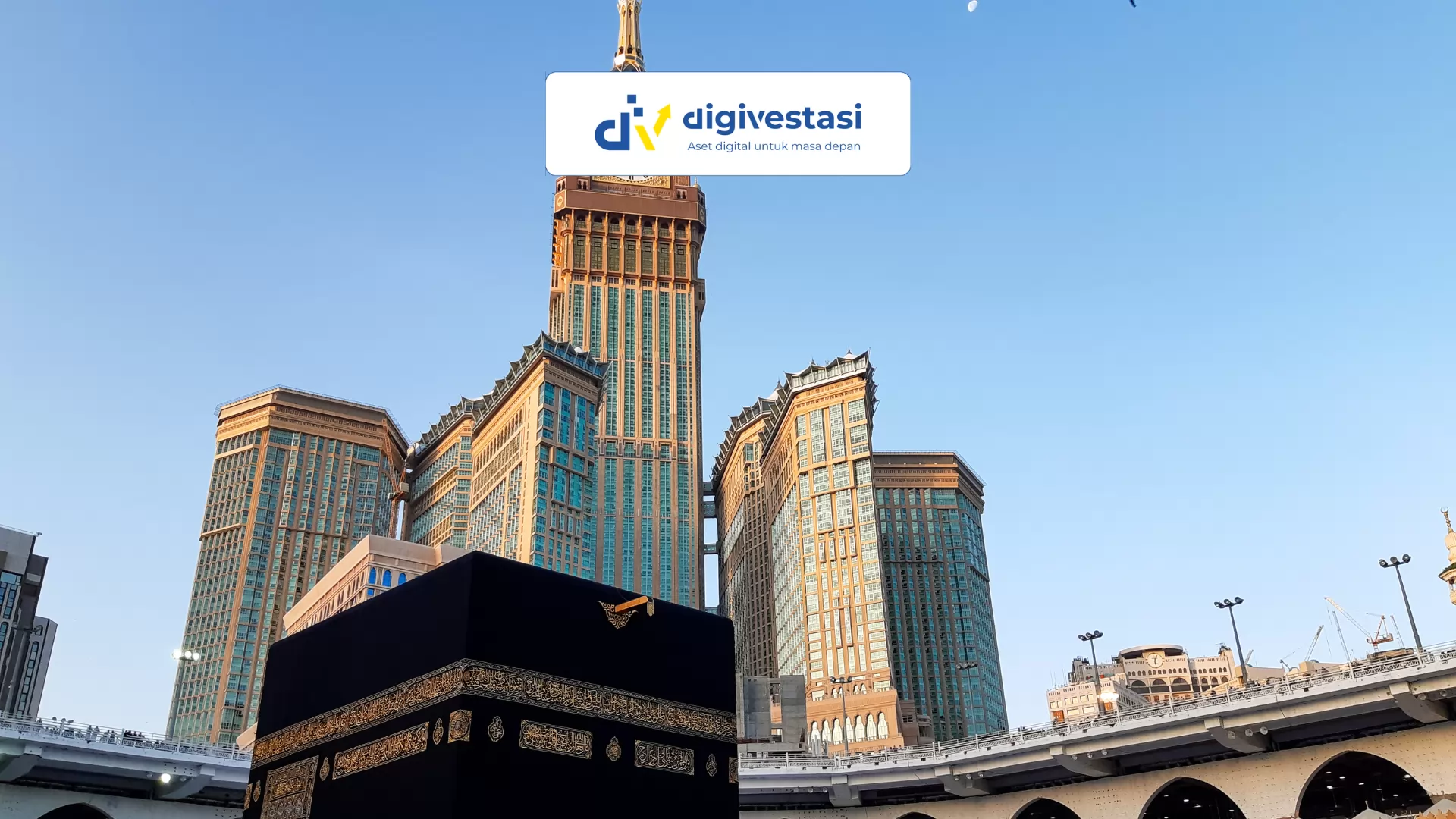
Smart Financial Planning to Realize the Dream of Hajj
Performing Hajj is a lifelong dream for every Muslim. However, the rising costs and long waiting periods make financial planning a crucial step in achieving this goal. Several strategies can help optimize Hajj savings effectively.
Saving for Hajj requires long-term financial planning, especially for those taking the regular route, where the waiting period can span decades.
Financial planner from Mitra Rencana Edukasi (MRE), Andi Nugroho, suggests allocating 10% of monthly income for Hajj savings. However, this amount can be adjusted based on other financial needs and departure targets.
"When opening a Hajj savings account, prospective pilgrims must deposit an initial Rp25 million in a designated bank. This deposit secures a spot in the waiting list and serves as their Hajj savings balance," Andi explained to CNNIndonesia.com, Friday (March 7).
In 2025, the estimated cost for regular Hajj is Rp56 million. After the initial deposit, pilgrims still need to save around Rp31 million before departure.
"For those registering from Jakarta, the waiting time can reach 28 years. That means they have 28 years to save Rp31 million, or roughly Rp100,000 per month," he added.
Meanwhile, financial planner Budi Rahardjo from OneShildt emphasizes the importance of consistency in saving.
"Setting aside 5–10% of monthly income, around Rp1 million to Rp5 million per month, will accelerate the savings process," he said.
Security, liquidity, and investment growth are key considerations when choosing where to save for Hajj.
According to Andi, a Hajj savings account is the primary choice since it is a prerequisite for registration. However, other investment instruments can help grow the funds.
"Since this is a long-term investment, high-return options such as stocks, stock-based mutual funds, and property or forestry investments like teak or sengon plantations can be considered," he explained.
Budi added that Islamic-based investments are preferable, as Hajj costs tend to rise annually.
"Sharia-compliant investment products like Islamic mutual funds, Sukuk (Islamic bonds), and Islamic stocks are suitable choices, alongside Hajj savings accounts," he noted.
Gold is another viable option.
"Gold is an excellent hedge against inflation. Besides being Sharia-compliant, it is also highly liquid," Budi said.
However, he advised pilgrims to be cautious when purchasing gold, considering storage and transaction costs.
With waiting periods varying by region—some reaching up to 40 years—it is recommended to register as early as possible.
Parents with extra funds can register their children at an early age to minimize waiting time when they reach adulthood.
Budi suggested starting Hajj financial planning between the ages of 25–35 to ensure departure before turning 45.
To safeguard long-term savings, Budi recommends:
Temukan berita dan artikel lainnya di Google News
Source: cnnindonesia.com
What do you think about this topic? Tell us what you think. Don't forget to follow Digivestasi's Instagram, TikTok, Youtube accounts to keep you updated with the latest information about economics, finance, digital technology and digital asset investment.
DISCLAIMER
All information contained on our website is summarized from reliable sources and published in good faith and for the purpose of providing general information only. Any action taken by readers on information from this site is their own responsibility.
SHARE
VIEW


