


Saham News
BBCA Shares Drop 2.25% as Foreign Investors Sell Rp419 Billion
/index.php
Berita Terkini - Posted on 29 December 2025 Reading time 5 minutes
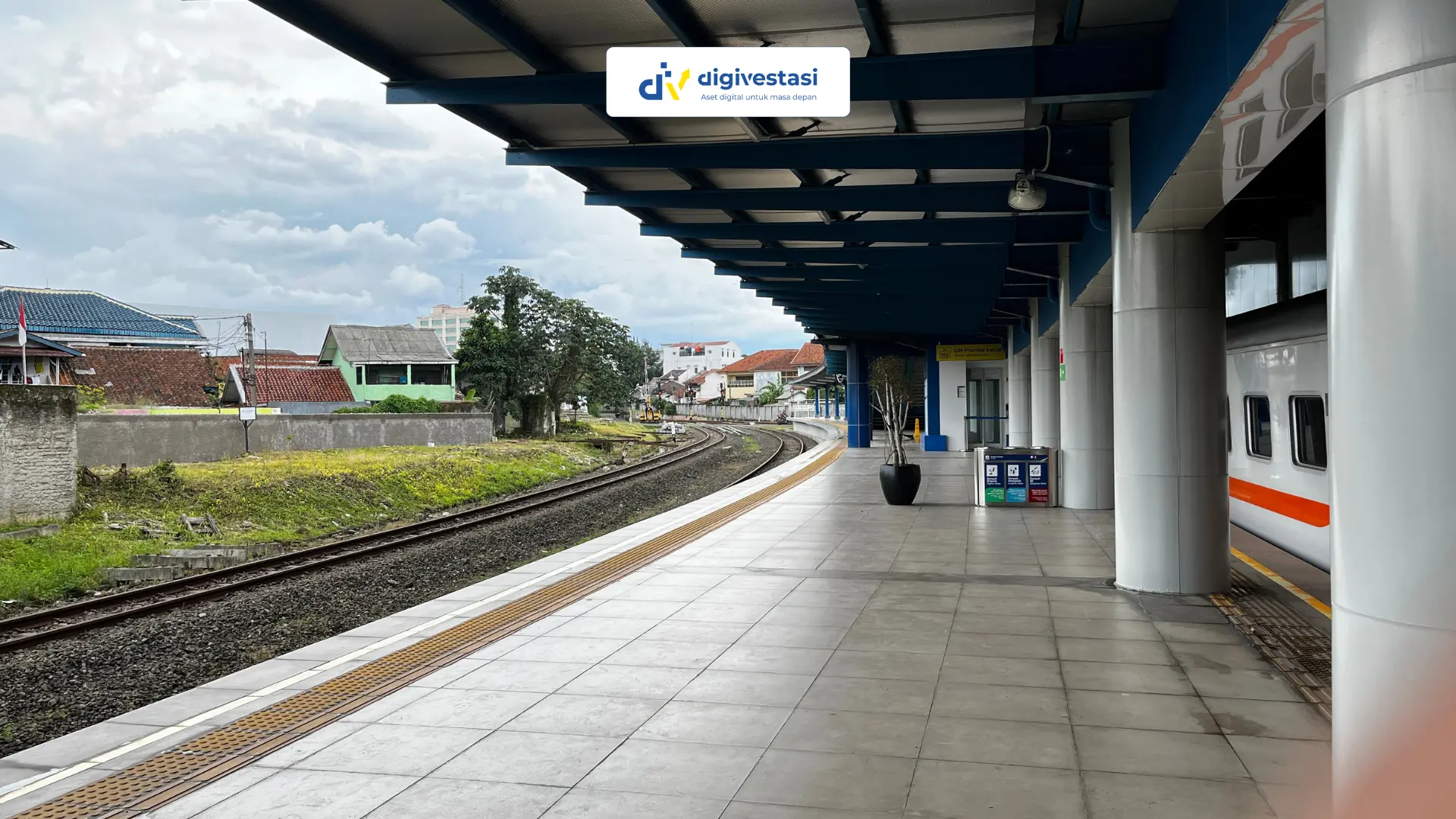
Rail-based mass transportation has become a critical backbone supporting economic activity in the world’s megacities. As urban populations continue to rise and road congestion worsens, trains offer one of the most efficient and reliable mobility solutions available.
This shift has also transformed the role of railway stations. No longer merely transit points for boarding and disembarking passengers, major stations have evolved into multifunctional hubs—often described as “cities within cities”—featuring shopping centers, office spaces, and diverse dining areas.
According to the latest data released by The Times of India, the world’s busiest railway stations are not dominated by Western nations such as the United States or the United Kingdom. Instead, Asian powerhouses—Japan and India—command the top ranks.
Tokyo’s Shinjuku Station continues to reign as the busiest railway station on the planet in terms of passenger traffic.
Below is the list of the ten busiest railway stations worldwide based on annual passenger volume:
Shinjuku Station (Tokyo, Japan)
Holding a Guinness World Record, Shinjuku handles approximately 1.16 billion passengers annually. It serves as a major artery linking central Tokyo with its western districts and features an immense complex with over 200 ticket gates integrated into surrounding skyscrapers.
Shibuya Station (Tokyo, Japan)
Globally recognized for its iconic pedestrian crossing, Shibuya Station accommodates more than 1 billion passengers each year. It acts as a cultural and fashion epicenter for Japan’s youth and continues to undergo futuristic redevelopment to manage growing demand.
Ikebukuro Station (Tokyo, Japan)
Ranking third, Ikebukuro serves around 843 million passengers annually. It functions as a key gateway for commuters from northern Tokyo and Saitama Prefecture and is widely known as a major shopping destination connected directly to large department stores.
Osaka–Umeda Station (Osaka, Japan)
The busiest station complex in western Japan, Osaka–Umeda records roughly 750 million passengers per year. It comprises several interconnected stations forming a vast transportation network in Osaka’s central business district.
Yokohama Station (Yokohama, Japan)
Located south of Tokyo, Yokohama Station serves about 711 million passengers annually. It plays a vital role as a primary transit hub for millions of commuters traveling daily from Kanagawa Prefecture to the capital.
Howrah Station (Kolkata, India)
Representing India on the list, Howrah Station is the busiest in South Asia, handling approximately 547 million passengers each year. Established in 1854, this historic station on the banks of the Hooghly River anchors eastern India’s rail network.
Kita-Senju Station (Tokyo, Japan)
Though less familiar to tourists, Kita-Senju is remarkably busy, serving around 507 million passengers annually. It acts as a crucial hub connecting northern suburban lines to Tokyo’s commercial core.
Sealdah Station (Kolkata, India)
Serving about 438 million passengers per year, Sealdah plays a central role in Kolkata’s suburban rail system, transporting millions of workers who sustain the city’s economy.
Tokyo Station (Tokyo, Japan)
As the zero-kilometer point of Japan’s rail network, Tokyo Station accommodates approximately 433 million passengers annually. It is both the main terminal for Shinkansen bullet trains and a historic architectural landmark known for its red-brick façade.
Nagoya Station (Nagoya, Japan)
Rounding out the top ten, Nagoya Station serves around 423 million passengers per year. Its iconic JR Central Towers complex—housing offices and hotels—makes it one of the largest station buildings in the world.
The overwhelming presence of Japan and India on this list sends a strong signal about the future direction of global urban development. In Japan, railway stations have successfully evolved into highly integrated centers of lifestyle and commerce. In India, stations remain indispensable arteries of mass mobility for hundreds of millions of people.
This trend offers valuable lessons for other developing nations, including Indonesia. The data underscores that integrated rail infrastructure is no longer optional—it is a fundamental requirement to prevent economic stagnation in the megacities of the future.
Source: cnbcindonesia.com
What do you think about this topic? Tell us what you think. Don't forget to follow Digivestasi's Instagram, TikTok, Youtube accounts to keep you updated with the latest information about economics, finance, digital technology and digital asset investment.
DISCLAIMER
All information contained on our website is summarized from reliable sources and published in good faith and for the purpose of providing general information only. Any action taken by readers on information from this site is their own responsibility.
SHARE
VIEW


