


Technology Update
Apple Is 8 Years Late? China's Royole Launched a Foldable Phone Back in 2018
/index.php
Berita Terkini - Posted on 23 December 2025 Reading time 5 minutes
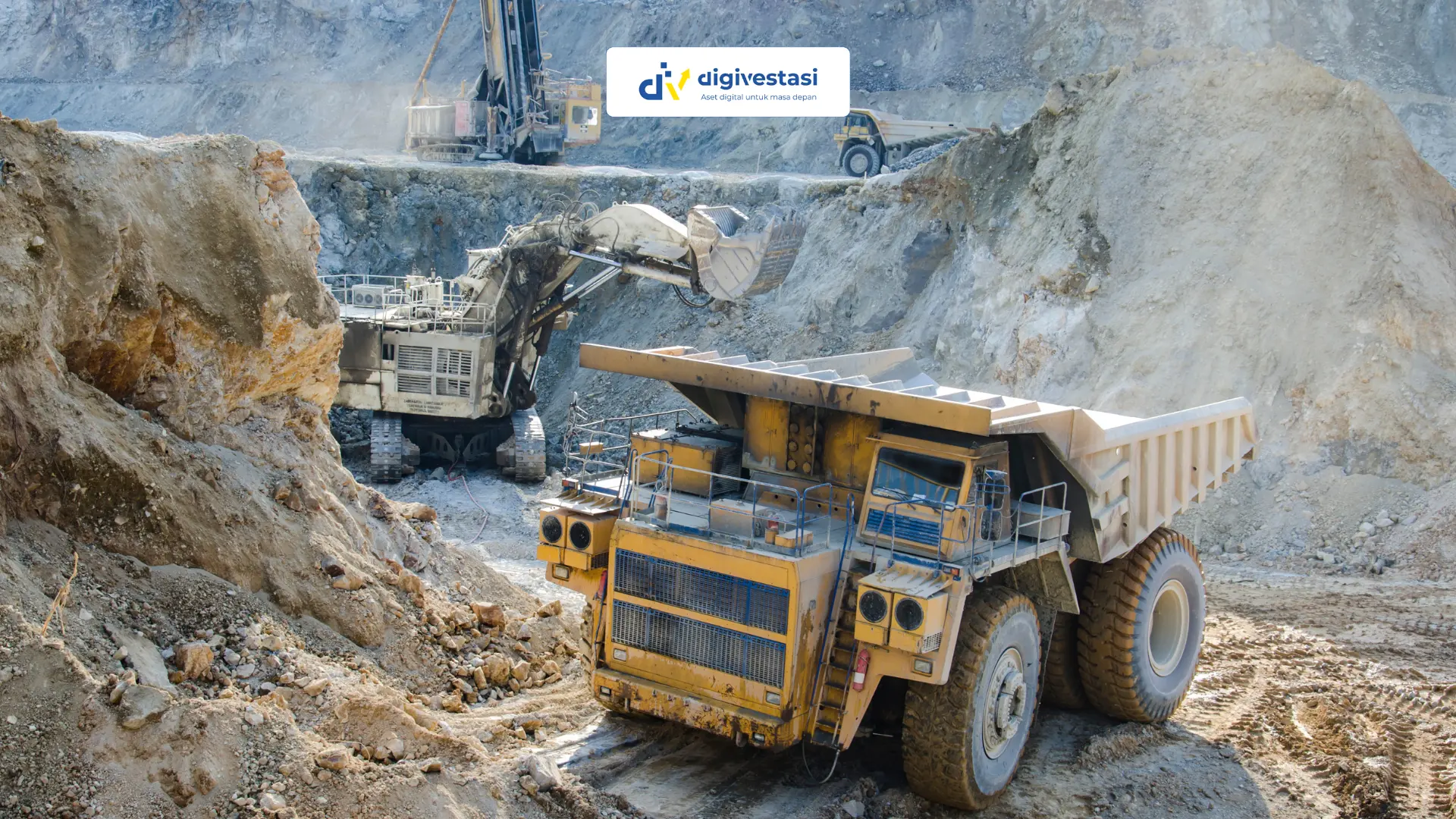
Mining plays a vital role in supplying essential raw materials required for global infrastructure development, technological advancement, equipment manufacturing, transportation, and consumer goods. Selecting suitable locations for mineral exploration and development depends heavily on resource availability and national mining policies.
Leading mining jurisdictions are characterized by mineral-rich geology and supportive government frameworks. Major mining countries include Australia, Chile, China, Russia, Canada, Brazil, the Democratic Republic of Congo (DRC), South Africa, and the United States. Nevertheless, many nations face challenges such as political instability, corruption, excessive taxation, inadequate infrastructure, and environmental degradation that hinder responsible resource development.
1. Australia
According to cruxinvestor, Australia ranks as the world’s leading mining nation overall. It is the largest global producer of bauxite, iron ore, and lithium, and a major supplier of coal, aluminum, copper, gold, manganese, nickel, silver, uranium, and zinc.
The country possesses vast mineral reserves, including the world’s largest recoverable resources of brown coal, lead, nickel, rutile, tantalum, uranium, and zircon. Western Australia alone holds known mineral resources valued at over A$1 trillion, while other regions such as Queensland, New South Wales, and South Australia are also resource-rich.
Australia’s pro-mining policies, political stability, regulatory transparency, advanced technological expertise, and proximity to Asian export markets underpin its global leadership. Major companies include BHP, Rio Tinto, Fortescue Metals, South32, Newcrest, and Lynas Rare Earths, alongside numerous mid-tier and junior explorers.
2. Chile
Chile is the world’s largest copper producer and a key lithium supplier, with mining contributing over 14% to its GDP. The country holds roughly half of global lithium reserves and a quarter of the world’s copper reserves.
State-owned Codelco is the largest copper miner globally, supported by major operations such as BHP’s Escondida, Anglo American, and Antofagasta Minerals. Lithium extraction is concentrated in the Atacama salt flats, where leading producers include SQM and Albemarle. Favorable policies, political stability, and strong infrastructure make Chile highly attractive to investors.
3. China
China dominates global rare earth element production with more than 60% market share and leads in the production of cement, salt, phosphates, and fertilizers. It is also the largest producer of coal, gold, antimony, magnesium, tin, zinc, manganese, and tungsten.
Despite its scale, China’s mining sector faces challenges such as illegal mining, safety concerns, pollution, declining ore grades, and rising costs. State-owned giants like Shenhua Group, Aluminum Corporation of China, and Zijin Mining dominate the industry, which is undergoing consolidation to improve efficiency and sustainability.
4. Russia
Russia holds world-class reserves of gold, iron ore, aluminum, nickel, copper, coal, oil, and natural gas across its vast territory. It competes with Australia as the second-largest gold producer and ranks among the top three producers of nickel, platinum, and palladium.
Major firms include Norilsk Nickel, Rusal, Polyus, and Severstal. However, governance issues, infrastructure gaps, high production costs, worker safety concerns, and international sanctions since 2022 have constrained growth.
5. Canada
Canada is a global mining powerhouse, producing minerals worth approximately US$100 billion in 2022 across more than 60 commodities. It ranks among the top five producers of potash, uranium, cobalt, and several strategic metals.
Rich geology, advanced infrastructure, political stability, and strong environmental standards attract investment. Key companies include Barrick Gold, Nutrien, Teck Resources, Hudbay Minerals, and Cameco.
6. Democratic Republic of Congo (DRC)
Despite vast mineral wealth, the DRC faces severe challenges such as corruption, armed conflict, weak infrastructure, and illegal mining. The country controls over 70% of global cobalt reserves and hosts significant deposits of copper, diamonds, gold, and other minerals.
Mining employs hundreds of thousands, with major players including Glencore and China Molybdenum. However, governance issues continue to limit sustainable development.
7. Brazil
Brazil holds the world’s largest niobium reserves, the third-largest bauxite reserves, and is a leading iron ore producer. It also produces gold, tin, lithium, and nickel.
Investment is constrained by bureaucracy, high taxes, infrastructure bottlenecks, and environmental challenges. Carajás remains the primary mining hub, led by Vale. Government reforms aim to improve regulatory efficiency and curb illegal mining.
8. United States
The United States possesses diverse mineral resources and is a major producer of copper, gold, molybdenum, rare earth elements, and industrial minerals. Mining contributed about US$110 billion to GDP in 2022.
Key mining states include Arizona, Nevada, Alaska, and Montana. However, strict permitting processes and public opposition hinder domestic projects, leaving the U.S. dependent on imports for critical minerals. Leading companies include Freeport McMoRan, Newmont, and Albemarle.
Source: SINDO
What do you think about this topic? Tell us what you think. Don't forget to follow Digivestasi's Instagram, TikTok, Youtube accounts to keep you updated with the latest information about economics, finance, digital technology and digital asset investment.
DISCLAIMER
All information contained on our website is summarized from reliable sources and published in good faith and for the purpose of providing general information only. Any action taken by readers on information from this site is their own responsibility.
SHARE
VIEW


