


Technology Update
Apple Is 8 Years Late? China's Royole Launched a Foldable Phone Back in 2018
/index.php
Berita Terkini - Posted on 22 February 2025 Reading time 5 minutes
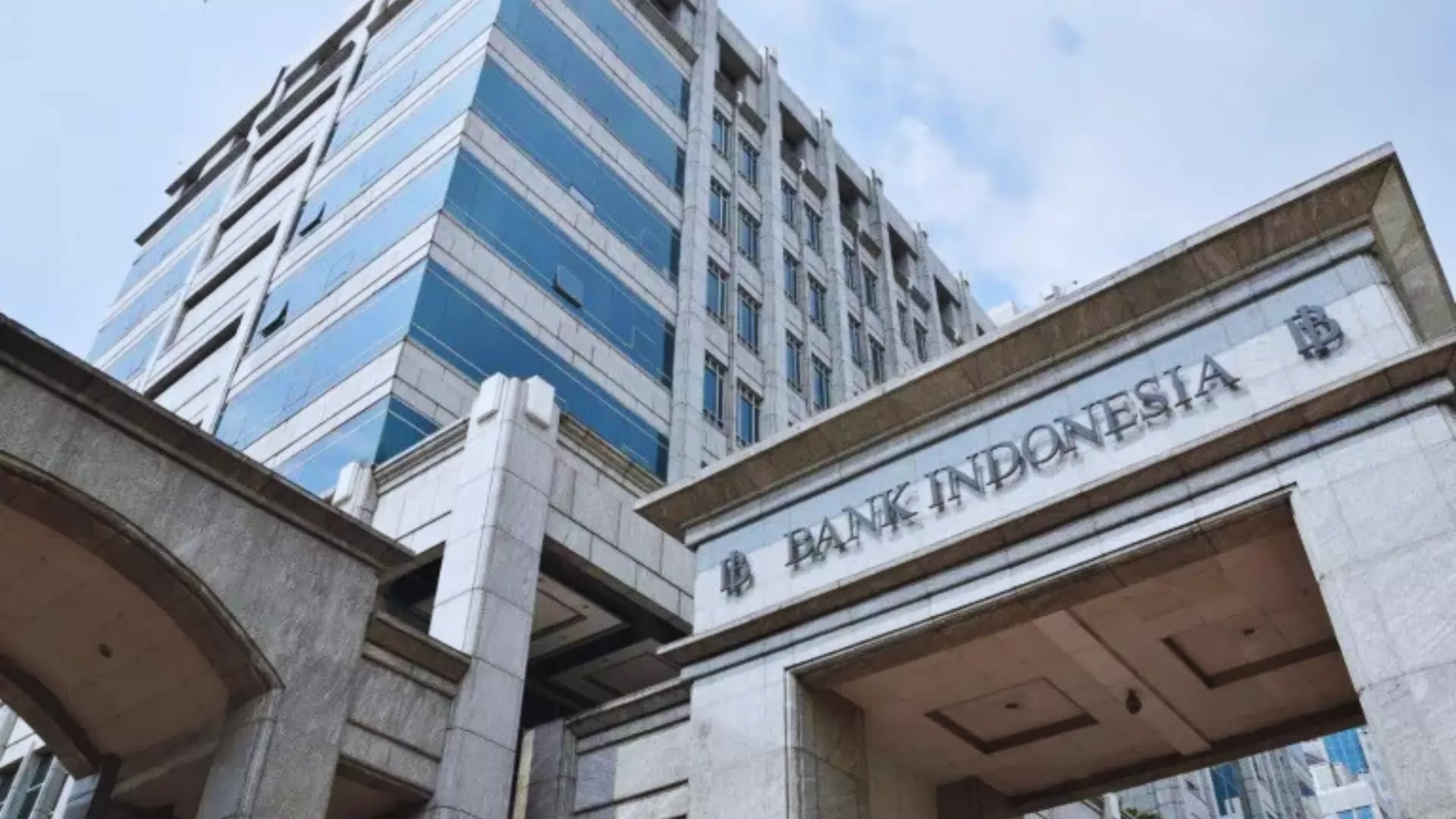
On February 19, 2025, Bank Indonesia (BI), through the Board of Governors Meeting (RDG), decided to maintain its benchmark interest rate (BI Rate) at 5.75%. This decision aligns with market expectations and aims to sustain economic stability and the Rupiah exchange rate amid ongoing global uncertainty. However, how does this policy affect the movement of the Jakarta Composite Index (IHSG)?
In its official statement, Bank Indonesia outlined several key factors behind its decision to keep the BI Rate at 5.75%, including:
"This decision is part of a stabilization measure to control inflation, maintain exchange rate stability, and support sustainable economic recovery," said Bank Indonesia Governor Perry Warjiyo, as quoted by Bisnis.com.
Following the policy announcement, IHSG closed lower by 1.14% at 6,794.86 on Wednesday (February 19). Several banking sector stocks also came under pressure as market sentiment remained cautious about persistently high interest rates.
According to a report by Kontan, although BI's decision was in line with expectations, market participants are still awaiting clarity on potential interest rate cuts in the future. "The market had already anticipated this decision, but the unrealized expectations of a rate cut are keeping investors cautious," said Felix Darmawan, an analyst at Panin Sekuritas.
In the short term, this policy tends to have a neutral to negative impact on IHSG, particularly on sectors sensitive to interest rate changes, such as property and banking. However, from a long-term perspective, Bank Indonesia's decision to maintain the BI Rate at 5.75% signals that economic stability remains a top priority. If inflation remains controlled and external pressures subside, there is a possibility that BI will lower interest rates in the future, which could serve as a positive catalyst for the stock market.
This policy provides a signal of stability for Indonesia's financial markets. Although IHSG faced some pressure, long-term investors remain optimistic about potential interest rate cuts ahead. With controlled inflation and a stable Rupiah exchange rate, there is still room for IHSG to rebound if Bank Indonesia starts indicating a more accommodative monetary policy in the coming months.
Source: Bisnis.com | Kontan | CNBC Indonesia
What do you think about this topic? Tell us what you think. Don't forget to follow Digivestasi's Instagram, TikTok, Youtube accounts to keep you updated with the latest information about economics, finance, digital technology and digital asset investment.
DISCLAIMER
All information contained on our website is summarized from reliable sources and published in good faith and for the purpose of providing general information only. Any action taken by readers on information from this site is their own responsibility.
SHARE
VIEW


