


Saham News
BBCA Shares Drop 2.25% as Foreign Investors Sell Rp419 Billion
/index.php
Berita Terkini - Posted on 12 May 2024 Reading time 5 minutes
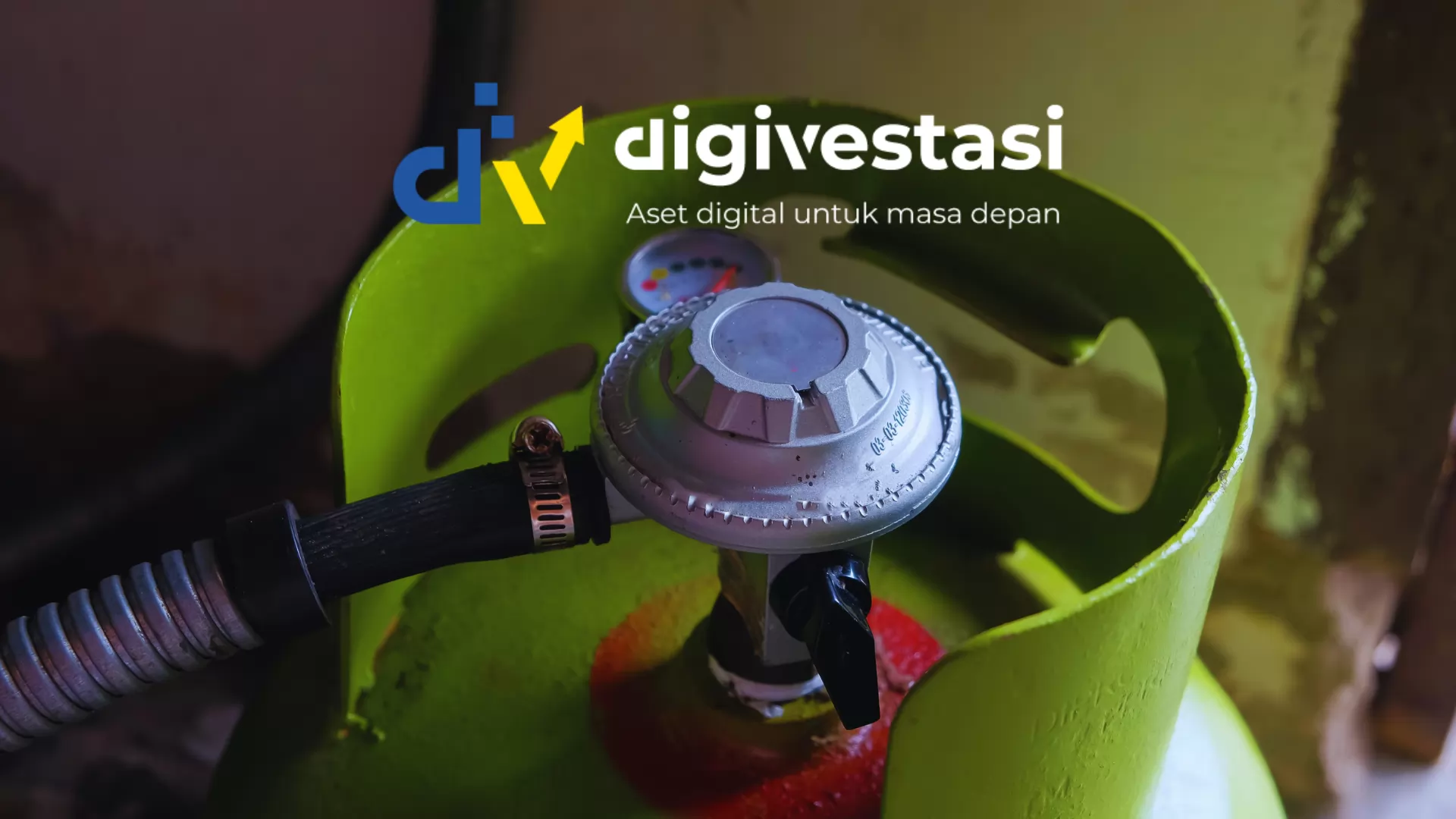
DIGIVESTASI - The Ministry of Energy and Mineral Resources (ESDM) revealed that the use of liquefied petroleum gas (LPG) can be replaced through the domestic gas network (jargas) project. In addition, LPG import activities will also have an impact. According to Indonesian Minister of Energy and Mineral Resources Arifin Tasrif, LPG imports will definitely decrease due to the domestic gas network (jargas) project.
He also emphasized that the gas tank project can replace the role of LPG.
Currently, the Ministry of Energy and Mineral Resources is encouraging the development of domestic gas pipeline infrastructure, both for domestic and industrial purposes. Arifin from Musrenbangnas, JCC Jakarta, quoted on Saturday (11/5/2024) said: "Gas reserves can replace LPG imports. If not, our foreign exchange will dry up. During this time, we will produce a lot of gas."
"It is true that we are also trying to build more gas infrastructure so that we can utilize it. Mr. President, he said this is the main road, there is a bulkhead and gas too. "Later it can also become a gasoline tank," he continued.
Previously, Secretary General of the Ministry of Energy and Mineral Resources Dadan Kusdiana said natural gas is one of the main energy sources in the energy transition era, especially in achieving the net zero emission (NZE) target by 2060.
Therefore, an integrated infrastructure is needed that can distribute gas from gas source areas to gas receiving areas throughout Indonesia.
"We will also connect gas. Alhamdulillah, this is the right time, we are now finding a lot of new gas, new gas fields. So gas in terms of emissions is also better than coal," said Dadan at the National Energy Conference. Forwarded to the Office of the Coordinating Ministry for Economic Affairs. Gas pipeline infrastructure along Sumatra and Sumatra-Java integration are key to national gas distribution, said Dadan. This is done to utilize the potential of natural gas in the Agung and Andaman working areas, Aceh, so that gas from the Sumatra cape can be utilized in Java and other Sumatra regions.
Dadan explained the benefit of building gas network infrastructure is that it can support more affordable gas prices with lower transportation or toll costs.
"To meet the gas needs of industry, power plants, businesses, and households," said Dadan.
In his presentation, Dadan said that currently the Cisem (Cirebon-Semarang) Phase 1 gas pipeline infrastructure has been built with an investment value of Rp 1.13 trillion. Currently, the Cisem Phase 2 network in 2024 requires an investment of Rp1.33 trillion and in 2025 requires an investment of Rp2.01 trillion.
Furthermore, he revealed that the Cisem and Dusem (Dumai-Sei Mangkei) Household Gas Program is able to reduce 3 kg LPG subsidies by up to Rp 0.63 trillion per year.
"And save foreign exchange through LPG imports worth Rp 1.08 trillion per year. Cooking cost savings of Rp 0.16 trillion per year," he said.
Find more news and articles on Google News
Source: cnbcindonesia.com
What do you think about this topic? Tell us what you think. Don't forget to follow Digivestasi's Instagram, TikTok, Youtube accounts to keep you updated with the latest information about economics, finance, digital technology and digital asset investment.
DISCLAIMER
All information contained on our website is summarized from reliable sources and published in good faith and for the purpose of providing general information only. Any action taken by readers on information from this site is their own responsibility.
SHARE
VIEW


