


Technology Update
Apple Is 8 Years Late? China's Royole Launched a Foldable Phone Back in 2018
/index.php
Berita Terkini - Posted on 14 April 2026 Reading time 5 minutes
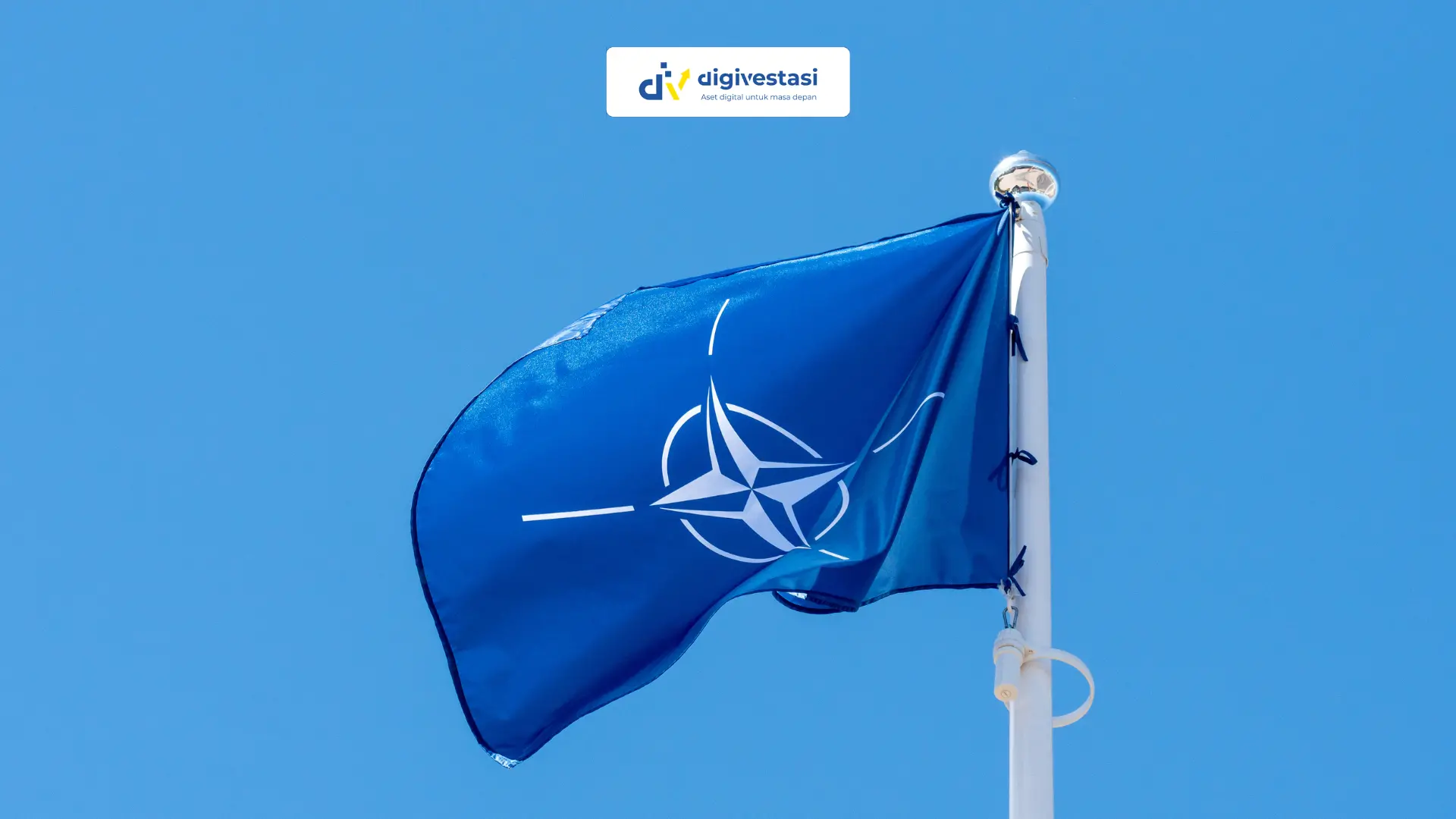
Allied countries within the NATO alliance have declined to participate in the plan to blockade Iranian ports announced by U.S. President Donald Trump. This rejection could further intensify internal tensions within the alliance, amid the ongoing six-week conflict between Washington and Tehran.
Several key European nations, including the United Kingdom and France, have firmly stated that they will not take part in the blockade. UK Prime Minister Keir Starmer emphasized that his government does not support such a move.
He stressed that the UK's position is clear—it will not be drawn into war under any circumstances, regardless of external pressure.
As an alternative approach, NATO members are preparing an initiative to secure maritime navigation in the Strait of Hormuz once the conflict subsides. NATO Secretary General Mark Rutte previously stated that the alliance could take action if all 32 member states agree to establish a joint mission.
French President Emmanuel Macron announced that France will host a conference with the UK and other partners to form a multinational mission.
He explained that the mission would be entirely defensive, neutral from the conflicting parties, and would be deployed as soon as conditions allow.
The plan includes escorting oil tankers and establishing safe corridors for international shipping.
Starmer added that the primary objective is to protect maritime activity and uphold freedom of navigation after the conflict ends through a coordinated and independent multinational effort.
Diplomatic sources indicated that around 30 countries, including Gulf nations, India, and several European states, may participate in the mission. However, neither Iran nor the United States will be directly involved, although both will be kept informed.
Meanwhile, Turkish Foreign Minister Hakan Fidan suggested that reopening the Strait of Hormuz should be pursued through diplomatic means. He also called for NATO to reassess its relationship with Trump at the upcoming summit.
Earlier, Trump stated that the U.S. military would take action against Iranian vessels approaching the blockade zone after weekend talks failed to produce a peace agreement.
He also declared that the blockade would begin soon and that other countries would join the effort.
Initially, Washington indicated that the blockade would involve international cooperation in the Strait of Hormuz. However, the U.S. military later clarified that the operation would only target vessels traveling to or from Iranian ports.
Since the conflict began on February 28, Iran has reportedly restricted access to the strategic waterway for most foreign ships. Tehran is also believed to be strengthening its control over the strait, which serves as a critical route for roughly one-fifth of the world’s oil supply.
Source: cnbcindonesia.com
What do you think about this topic? Tell us what you think. Don't forget to follow Digivestasi's Instagram, TikTok, Youtube accounts to keep you updated with the latest information about economics, finance, digital technology and digital asset investment.
DISCLAIMER
All information contained on our website is summarized from reliable sources and published in good faith and for the purpose of providing general information only. Any action taken by readers on information from this site is their own responsibility.
SHARE
VIEW


