


Saham News
IDX Revises JCI Criteria from November 2: What HSC Stocks Mean for Investors
/index.php
Berita Terkini - Posted on 01 February 2026 Reading time 5 minutes
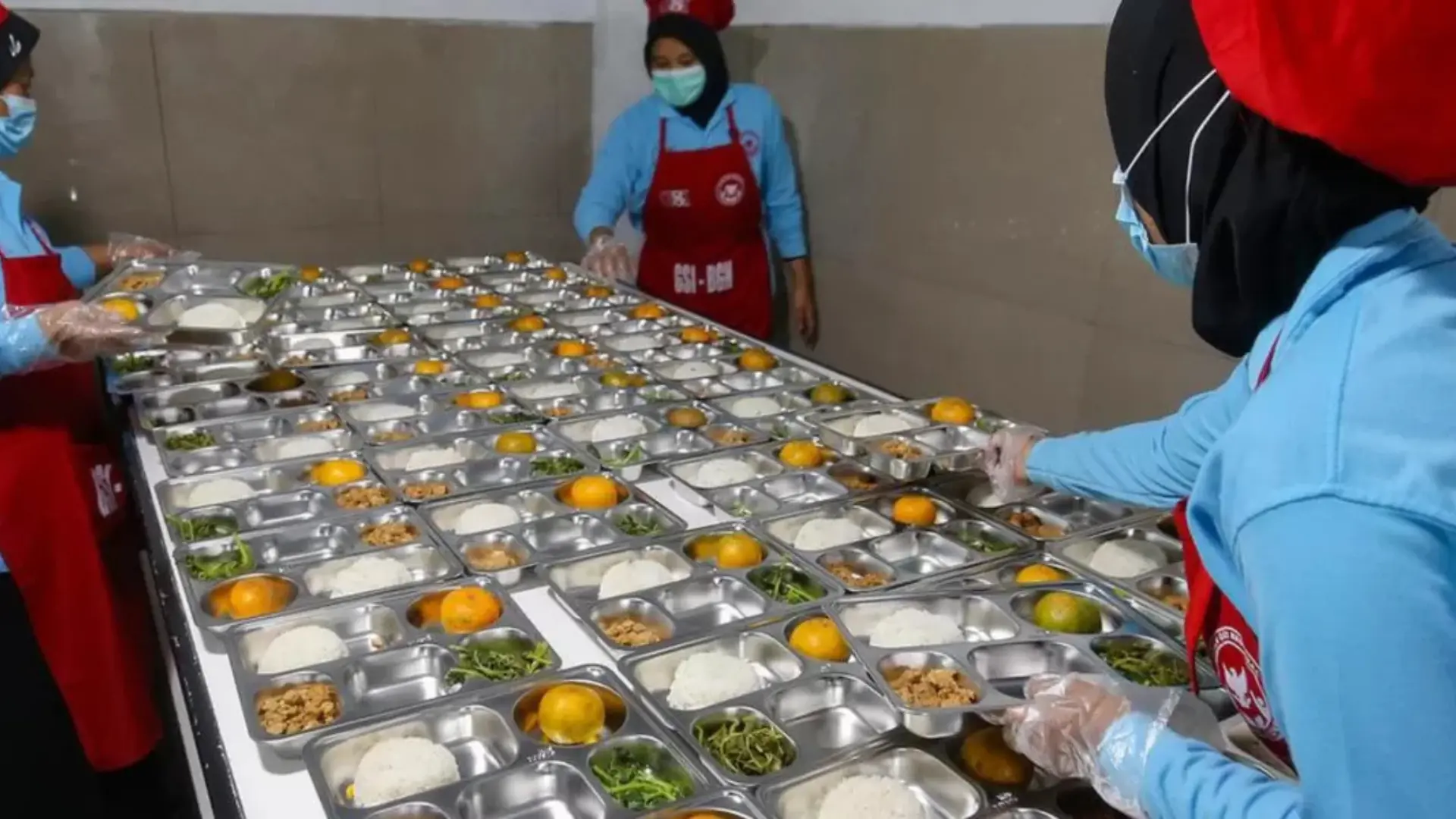
Public health nutrition expert Dr. Tan Shot Yen responded to the planned menu of the Free Nutritious Meal (MBG) program, which is set to be distributed to beneficiaries such as students during the month of Ramadan.
From a nutritional standpoint, she argued that the proposed menu would not adequately meet a child’s dietary needs.
“It simply wouldn’t be sufficient,” Dr. Tan told Bloomberg Technoz on Friday (Jan. 30).
She added that the issue becomes even more concerning if the Ramadan MBG consists of light dry snacks that are presented as iftar items.
Dr. Tan also criticized the inclusion of salted eggs in the Ramadan MBG menu. She referred to the sodium intake requirements for toddlers under the Ministry of Health Regulation No. 28 of 2019, which states that toddlers require around 800 mg of sodium per day, meaning 20% of that amount equals only 160 mg.
By comparison, a single salted egg contains approximately 2,500 mg of salt.
“Does it make any sense to give a child a salted egg?” she questioned.
For adults, the recommended daily salt intake is about 2,300 mg. Packaged foods containing less than 5% sodium per serving (under 115 mg) are considered relatively safe, while those exceeding 20% per serving (more than 460 mg) are classified as high in salt.
“That means the product is high in salt. Quickly check your chips, biscuits, instant noodles, and other snacks,” she warned.
She also reminded the public to carefully calculate sodium content.
“Make sure the calculation is accurate. Manufacturers often manipulate labels. Always calculate sodium per serving size, not per package or per individual piece,” she emphasized.
As for healthy meal recommendations for children over the age of five, she suggested breakfast consisting of brown rice, steamed fish, spinach, and apples; packed meals of steamed kepok bananas and fish cakes with peanut sauce; lunch with brown rice, pop-style chicken, cassava leaves, and oranges; snacks such as unsweetened coconut ice and boiled sweet potatoes; and dinner featuring brown rice, chicken soup, mixed vegetables, and watermelon.
Meanwhile, Coordinating Minister for Food Affairs Zulkifli Hasan affirmed that the MBG program will continue throughout Ramadan.
“The fourth decision is that MBG will remain in operation because fasting students will be provided with dry food,” he said at the Ministry’s office in Jakarta on Thursday (Jan. 29).
Head of the National Nutrition Agency (BGN) Dadan Hindayana explained that meals for fasting students will be adjusted into dry food options.
These include dates, boiled eggs, salted eggs, pindang eggs, fruit, milk, and shredded meat.
“For fasting students, examples include dates, boiled eggs or salted eggs or pindang eggs, fruit, milk, and abon,” Dadan said.
He added that schools where the majority of students are not fasting will continue receiving MBG services as usual. The same mechanism also applies to other beneficiaries, such as toddlers, pregnant women, and breastfeeding mothers.
Source: bloombergtechnoz.com
What do you think about this topic? Tell us what you think. Don't forget to follow Digivestasi's Instagram, TikTok, Youtube accounts to keep you updated with the latest information about economics, finance, digital technology and digital asset investment.
DISCLAIMER
All information contained on our website is summarized from reliable sources and published in good faith and for the purpose of providing general information only. Any action taken by readers on information from this site is their own responsibility.
SHARE
VIEW


