


Saham News
IDX Revises JCI Criteria from November 2: What HSC Stocks Mean for Investors
/index.php
Bisnis | Ekonomi - Posted on 01 February 2026 Reading time 5 minutes
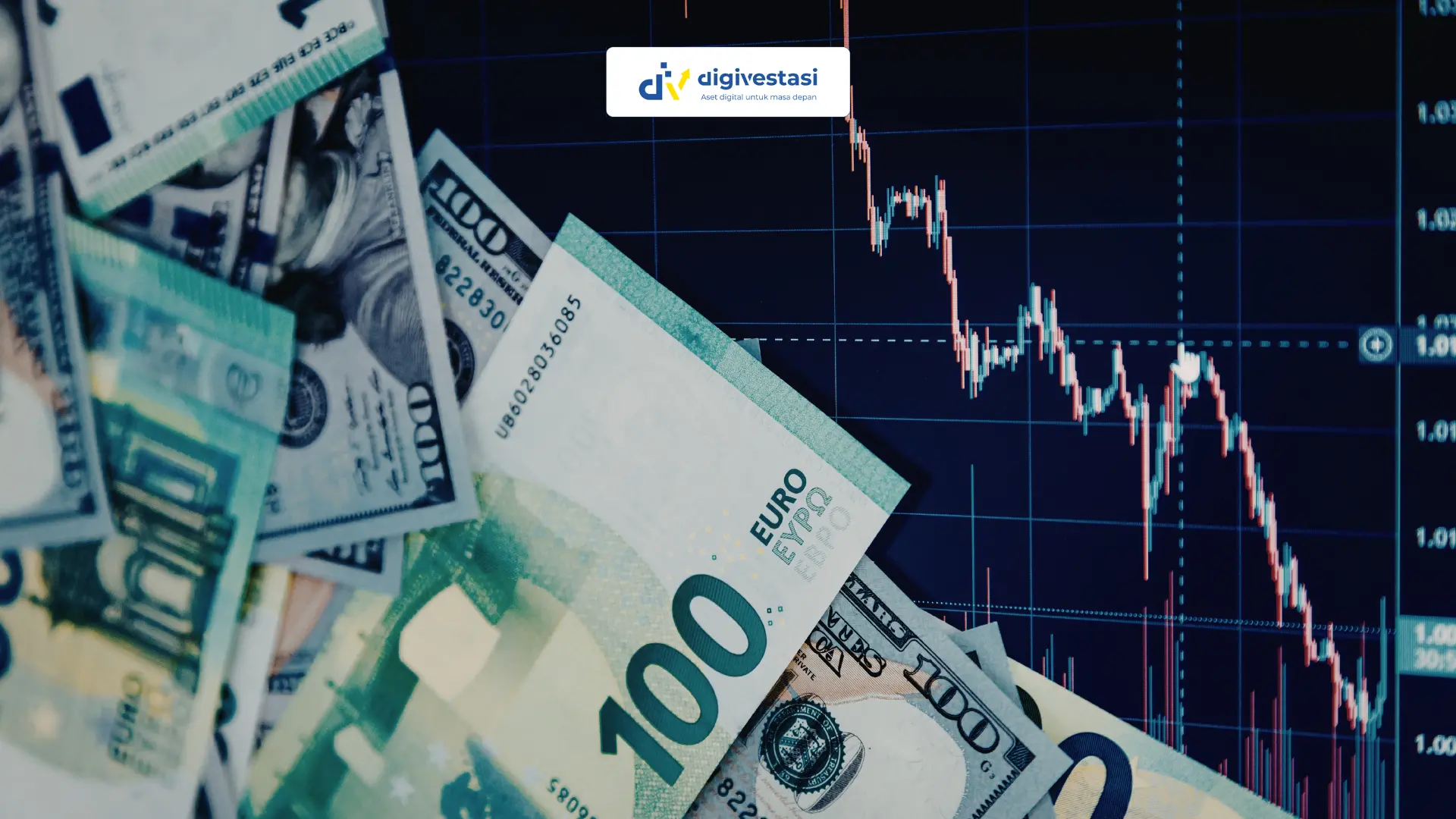
Most Asian currencies came under pressure against the US dollar during Friday morning trading (Jan. 30, 2026), following a broad strengthening of the greenback in global markets. According to Refinitiv data as of 9:50 a.m. WIB, nearly all Asian currencies weakened, with the South Korean won recording the steepest decline.
The won fell 0.53% to KRW 1,439.1 per US dollar, while the Japanese yen slipped 0.52% to JPY 153.88 per dollar. The Thai baht also depreciated by 0.45% to THB 31.36 per dollar, followed by the Malaysian ringgit, which declined 0.41% to MYR 3.941 per dollar.
Indonesia’s rupiah remained under pressure, weakening 0.30% to Rp16,796 per US dollar, extending losses from the previous session. The Singapore dollar and Taiwan dollar also edged lower, falling 0.23% and 0.17% to SGD 1.26 and TWD 31.4 per dollar, respectively.
Mild declines were also seen in the Indian rupee, Philippine peso, and Chinese yuan. In contrast, Vietnam’s dong stood out by posting a modest gain of 0.08%, appreciating to VND 25,930 per US dollar.
The widespread weakness across Asian currencies was driven by the stronger performance of the US dollar globally, as reflected in the US Dollar Index (DXY), which measures the greenback against six major currencies. The index rose 0.37% to 96.642.
The dollar gained ground after US President Donald Trump said he would soon announce the next Federal Reserve chair, boosting optimism that Washington could avoid a government shutdown. Markets also reacted to reports naming former Fed Governor Kevin Warsh as a leading candidate, following his reported meeting with Trump at the White House.
Market participants view Warsh as relatively independent, a perception that has helped ease investor concerns. Ahead of the weekend, investors were also seen trimming positions after a volatile week for the US dollar.
Meanwhile, global sentiment remains clouded by geopolitical tensions and US tariff policies, including executive actions targeting countries supplying oil to Cuba and speculation over rising tensions with Iran, which previously lifted oil prices. At the same time, Trump’s support for a spending agreement to avert a government shutdown provided additional support for the US dollar.
Source: cnbcindonesia.com
What do you think about this topic? Tell us what you think. Don't forget to follow Digivestasi's Instagram, TikTok, Youtube accounts to keep you updated with the latest information about economics, finance, digital technology and digital asset investment.
DISCLAIMER
All information contained on our website is summarized from reliable sources and published in good faith and for the purpose of providing general information only. Any action taken by readers on information from this site is their own responsibility.
SHARE
VIEW


