


Technology Update
Apple Is 8 Years Late? China's Royole Launched a Foldable Phone Back in 2018
/index.php
Bisnis | Ekonomi - Posted on 29 June 2025 Reading time 5 minutes
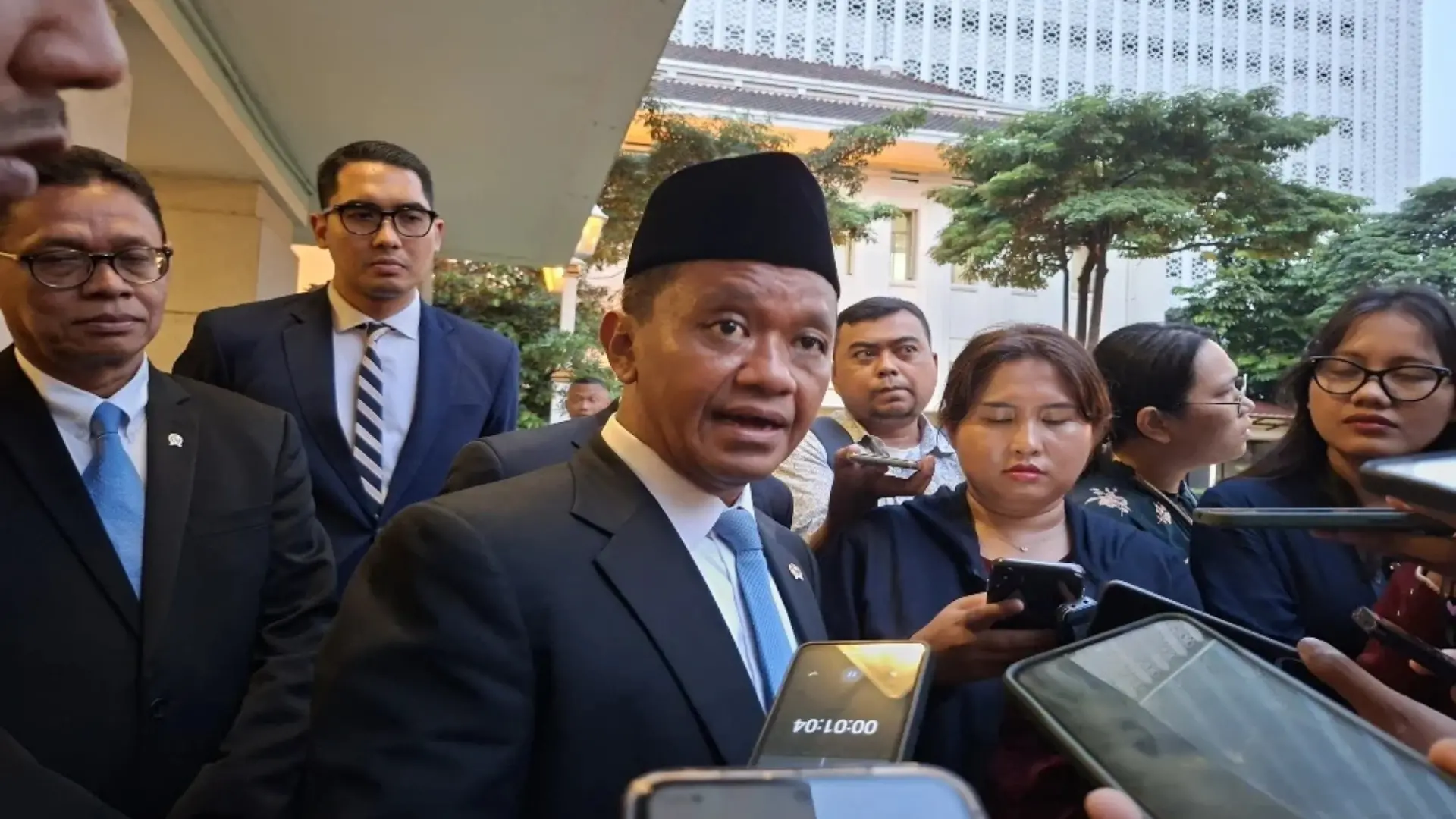
Minister of Energy and Mineral Resources (ESDM), Bahlil Lahadalia, has spoken out about the government’s efforts to formalize and empower community-run oil wells, which have long been considered illegal. This initiative is part of the newly issued Ministerial Regulation (Permen) ESDM No. 14 of 2025, concerning cooperative management of parts of working areas to boost oil and gas production.
Under this regulation, community oil wells are those managed by regional-owned enterprises (BUMD), cooperatives, or micro, small, and medium enterprises (MSMEs). With this new framework, Production Sharing Contract (PSC) contractors, known as KKKS, are allowed to collaborate in managing segments of working areas, governance, social safety, and investment protection to integrate these previously unregulated wells.
According to Bahlil, the regulation aims to reduce environmental hazards, improve public safety and social conditions, and increase oil output and state revenue. He emphasized that the government does not intend to allow illegal wells to continue operating outside the legal system or to supply oil to unauthorized refineries.
"The term 'legalization' of community wells refers to enabling existing wells to operate while undergoing governance improvements based on sound engineering practices," said Bahlil in an official statement on Sunday (June 29, 2025). The former Chairman of the Indonesian Young Entrepreneurs Association (HIPMI) added that these wells will be supervised by BUMD, cooperatives, or MSMEs, and work in partnership with PSCs like PT Pertamina (Persero). The governance restructuring will be carried out over a four-year period.
Bahlil clarified that the policy only applies to existing community wells. The government, in collaboration with provincial governments and KKKS, is currently inventorying these wells. No new community oil wells will be permitted, and any discovered will be immediately shut down and subjected to legal action.
"Any new community wells found will be closed and subject to enforcement. Illegal refineries must also be shut down, and their operators prosecuted. Oil produced from community wells must be sold to KKKS such as Pertamina and recorded as national oil production," he added.
Bahlil described this approach as a middle ground to resolve social conflicts while supporting national interests. “This policy serves as a compromise to nurture community involvement, reduce social tension, limit environmental impact, and raise oil production and state revenue. The target is an additional lifting of at least 10,000 barrels per day,” he stated.
As outlined in Permen ESDM No. 14 of 2025, the implementation process includes: identifying existing community wells, appointing management entities (BUMD, cooperatives, or MSMEs), and formalizing agreements with KKKS. The regulation defines three cooperation models: (1) partnerships between KKKS and partners involving operations or technology for idle wells and active fields; (2) cooperation in managing community wells; and (3) continuation of old well operations under the previous Permen ESDM No. 1 of 2008.
However, Moshe Rizal, Chairman of the Investment Committee of the Oil and Gas Companies Association (Aspermigas), criticized the new policy, likening it to offering a red carpet to formerly illegal operations, which he says places a burden on KKKS. "We see this as a significant risk. What was illegal is now made to appear legal, and the burden falls on KKKS," he told Bisnis.
Moshe argued that the partnership model could disadvantage KKKS, as they would be responsible for managing wells operated by BUMD, cooperatives, or MSMEs—many of which may not be commercially viable. He also warned that this regulation might be used by well owners to pressure KKKS into cooperation.
He outlined several challenges, such as the need for KKKS to improve governance, ensure safety, and meet environmental standards. He pointed out that community wells often have poor safety records, with fatal accidents like fires occurring annually.
Despite these issues, KKKS are legally required to meet health, safety, and environmental standards from the point of handover by BUMD, cooperatives, or MSMEs. Moshe warned that if the policy goes unchecked, it could deter investors. “If this is legitimized and continues, responsibility will shift to KKKS, and investors could pull out,” he concluded.
Source: bisnis.com
What do you think about this topic? Tell us what you think. Don't forget to follow Digivestasi's Instagram, TikTok, Youtube accounts to keep you updated with the latest information about economics, finance, digital technology and digital asset investment.
DISCLAIMER
All information contained on our website is summarized from reliable sources and published in good faith and for the purpose of providing general information only. Any action taken by readers on information from this site is their own responsibility.
SHARE
VIEW


