


News Update
From Fragmented Bank QR Codes to 69.3 Million Users: The Rise of QRIS
/index.php
Bisnis | Ekonomi - Posted on 29 June 2025 Reading time 5 minutes
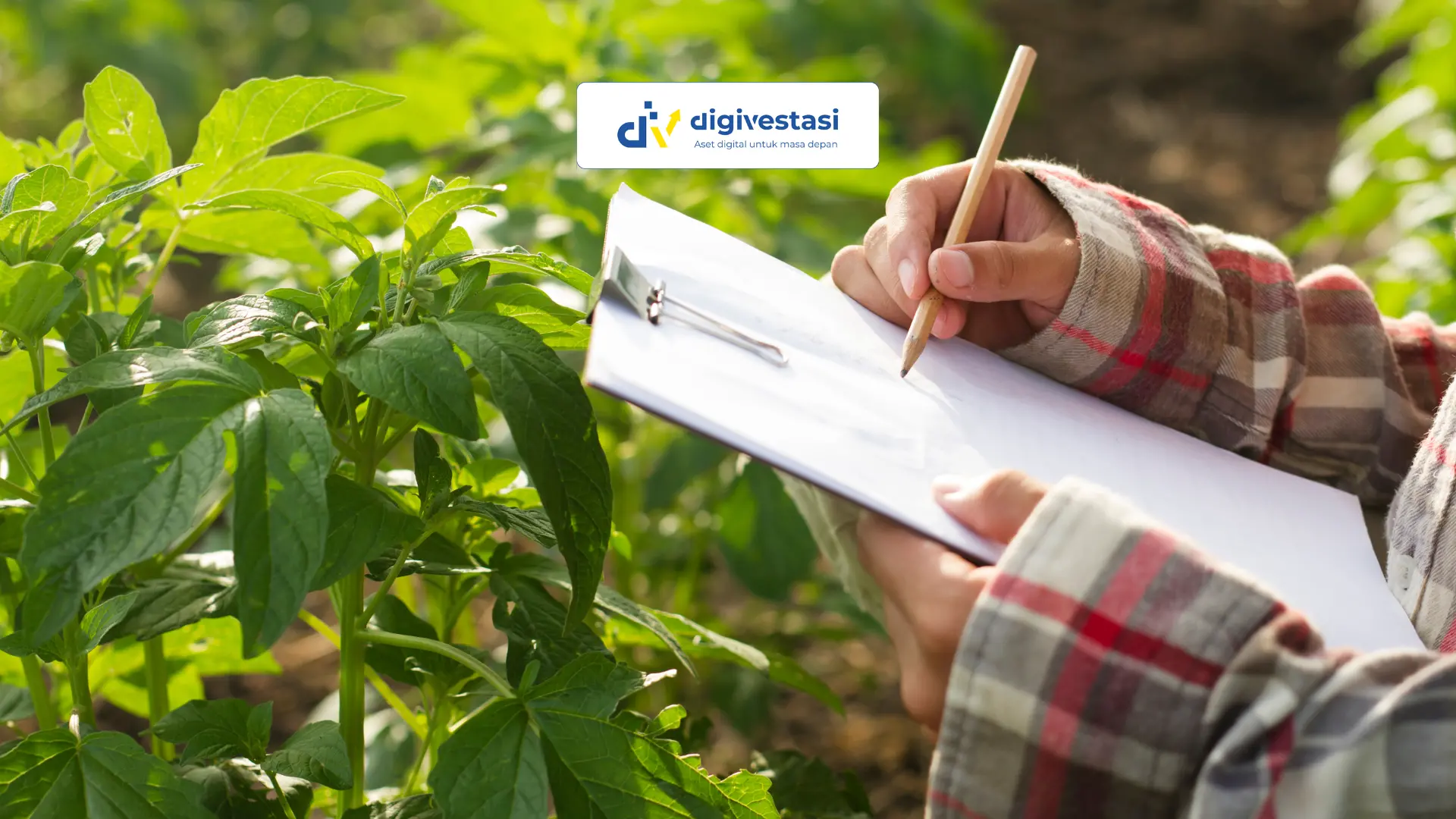
The legendary Indonesian band Koes Plus once sang that Indonesia is a land of abundance, likened to paradise, in their song "Kolam Susu" with the line, “Wooden sticks and stones become plants.” The lyric reflects the vast agricultural potential of the country.
According to the latest data from Statistics Indonesia (BPS), the total export value of agricultural products reached US$5.71 billion, or approximately Rp93.47 trillion (assuming an exchange rate of US$1 = Rp16,370). Agricultural exports have become one of the key sources of foreign exchange for the country.
Among various exported agricultural products, coffee remains Indonesia’s top commodity, with export earnings of US$1.62 billion. Major buyers include countries in Europe and the United States.
The increasing demand for Indonesian coffee is driven in part by the growing trend of specialty and organic coffee, which makes Indonesian beans more competitive than those from other major producers like Brazil and Vietnam.
In addition to coffee, seasonal fruit exports have also contributed significantly, totaling US$580 million. The most sought-after fruits include durian, mangosteen, and banana—primarily exported to China, Malaysia, and Singapore.
Indonesia has also been expanding its export reach by implementing food safety certifications and adhering to international standards, which has boosted confidence and interest from global markets in importing Indonesian fruits.
Spices—Indonesia’s long-standing export pride—continue to deliver strong foreign exchange. Medicinal, aromatic, and spice plants contributed US$425 million in export value, while cloves added US$319 million.
Clove exports are mostly directed to clove cigarette-producing countries such as Brazil and India. Meanwhile, black and white pepper, with combined exports exceeding US$280 million, are widely shipped to Europe and the Middle East.
In the industrial agriculture sector, natural rubber and cocoa beans remain vital export commodities. Natural rubber generated US$469 million in exports, while cocoa beans earned US$80 million. Rubber demand from the automotive and healthcare industries remains robust, despite stiff competition from Thailand and Malaysia.
On the other hand, cocoa bean exports are on the rise, fueled by increasing global demand for premium chocolate, which requires high-quality raw materials.
(in 000 US$)
| Commodity | Export Value |
|---|---|
| Coffee | 1,620,000 |
| Seasonal fruits | 580,500 |
| Other perennial crops | 549,000 |
| Medicinal, aromatic, and spice plants | 425,800 |
| Cloves | 319,400 |
| Black pepper | 158,600 |
| White pepper | 123,100 |
| Tobacco | 104,200 |
| Cocoa beans | 80,600 |
| Natural rubber | 469,000 |
Source: cnbcindonesia.com
What do you think about this topic? Tell us what you think. Don't forget to follow Digivestasi's Instagram, TikTok, Youtube accounts to keep you updated with the latest information about economics, finance, digital technology and digital asset investment.
DISCLAIMER
All information contained on our website is summarized from reliable sources and published in good faith and for the purpose of providing general information only. Any action taken by readers on information from this site is their own responsibility.
SHARE
VIEW


