


Technology Update
Apple Is 8 Years Late? China's Royole Launched a Foldable Phone Back in 2018
/index.php
Bisnis | Ekonomi - Posted on 11 March 2026 Reading time 5 minutes
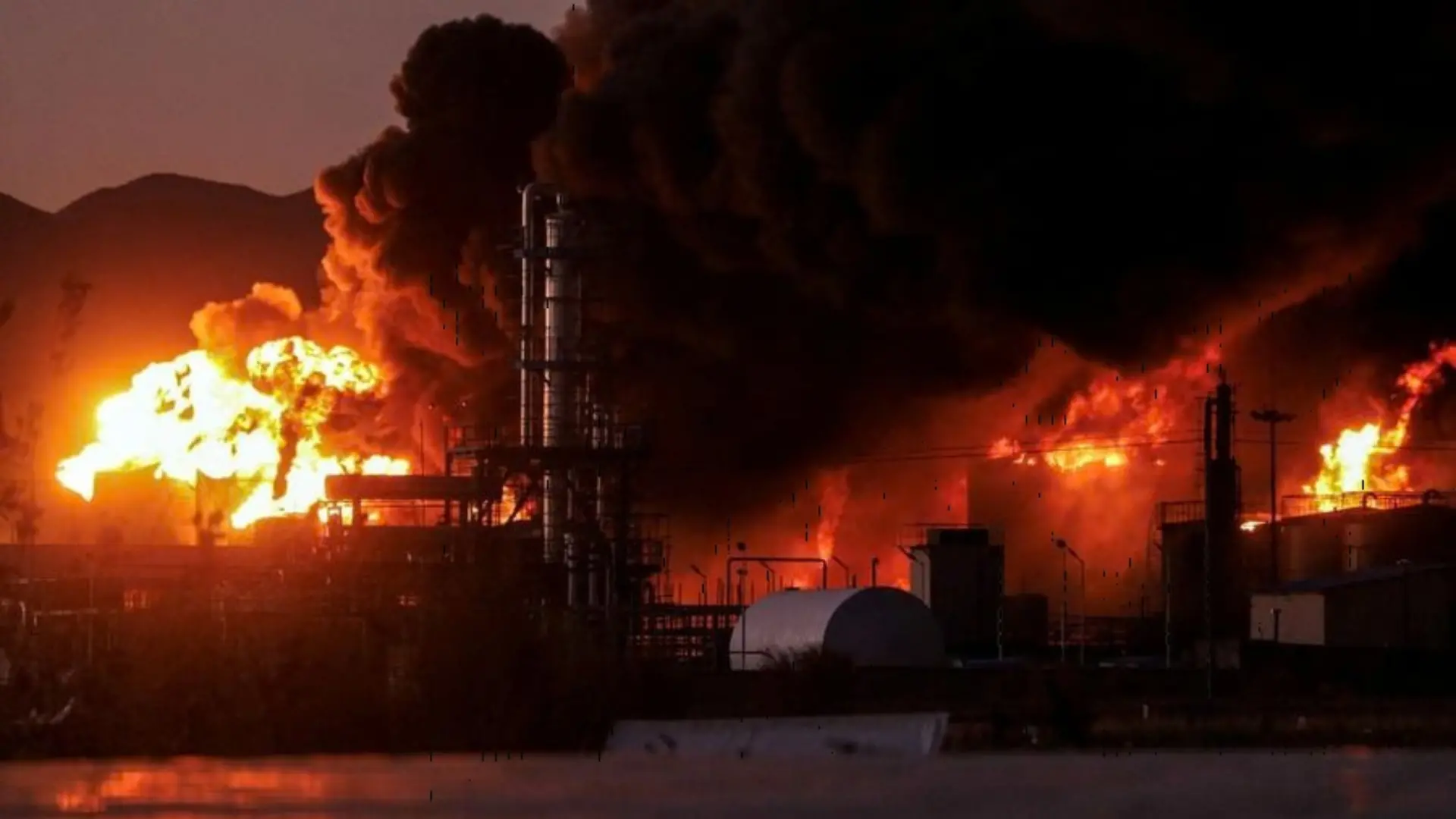
Iran has declared that it will not allow the United States, Israel, or their allies to export “a single drop of oil” from the Middle East while the conflict continues, according to Islamic Revolutionary Guard Corps (IRGC) spokesperson Ali Mohammad Naini on Tuesday.
“Amid the ongoing aggression by the United States and the Zionist regime against the Iranian people and our civilian infrastructure, Iran’s armed forces will not permit even a single drop of oil to be exported from this region to hostile parties and their partners until further notice,” Naini said, as quoted by the Tasnim news agency.
He added that any attempt by opposing parties to pressure or manipulate oil and gas prices would only have a temporary effect and would ultimately fail.
According to Naini, Tehran currently maintains control over the course of the ongoing conflict.
He emphasized that Iran itself will determine when the conflict will come to an end.
Naini also rejected statements from several U.S. government officials who claimed that Iran’s missile launch capabilities had weakened.
On the contrary, he stated that Iran would actually strengthen its missile strike capacity.
From now on, Iran is said to be preparing to launch more powerful missiles equipped with warheads weighing at least one ton.
The firm statement followed military strikes carried out by the United States and Israel against several targets in Iran on February 28, including in the capital city of Tehran.
The attacks reportedly caused damage to multiple facilities and resulted in civilian casualties.
In response, Iran launched retaliatory strikes against Israeli territory as well as U.S. military facilities across the Middle East region.
Initially, Washington and Tel Aviv stated that the attacks, which they described as “preventive actions,” were necessary to address what they considered a threat posed by Iran’s nuclear program.
However, in subsequent developments, both countries also expressed a desire to see a change of power in Iran.
Iran’s Supreme Leader, Ayatollah Ali Khamenei, was reported to have been killed on the first day of the military operation.
The government of the Islamic Republic of Iran subsequently declared a 40-day period of national mourning.
The escalation of the conflict also triggered reactions from several other countries.
Russian President Vladimir Putin described the killing of Khamenei as a cynical violation of international law.
Russia’s Ministry of Foreign Affairs also condemned the military operation carried out by the United States and Israel and called for immediate de-escalation and an end to hostilities.
Source: antaranews.com
What do you think about this topic? Tell us what you think. Don't forget to follow Digivestasi's Instagram, TikTok, Youtube accounts to keep you updated with the latest information about economics, finance, digital technology and digital asset investment.
DISCLAIMER
All information contained on our website is summarized from reliable sources and published in good faith and for the purpose of providing general information only. Any action taken by readers on information from this site is their own responsibility.
SHARE
VIEW


