


Technology Update
Apple Is 8 Years Late? China's Royole Launched a Foldable Phone Back in 2018
/index.php
Edukasi - Posted on 01 December 2025 Reading time 5 minutes
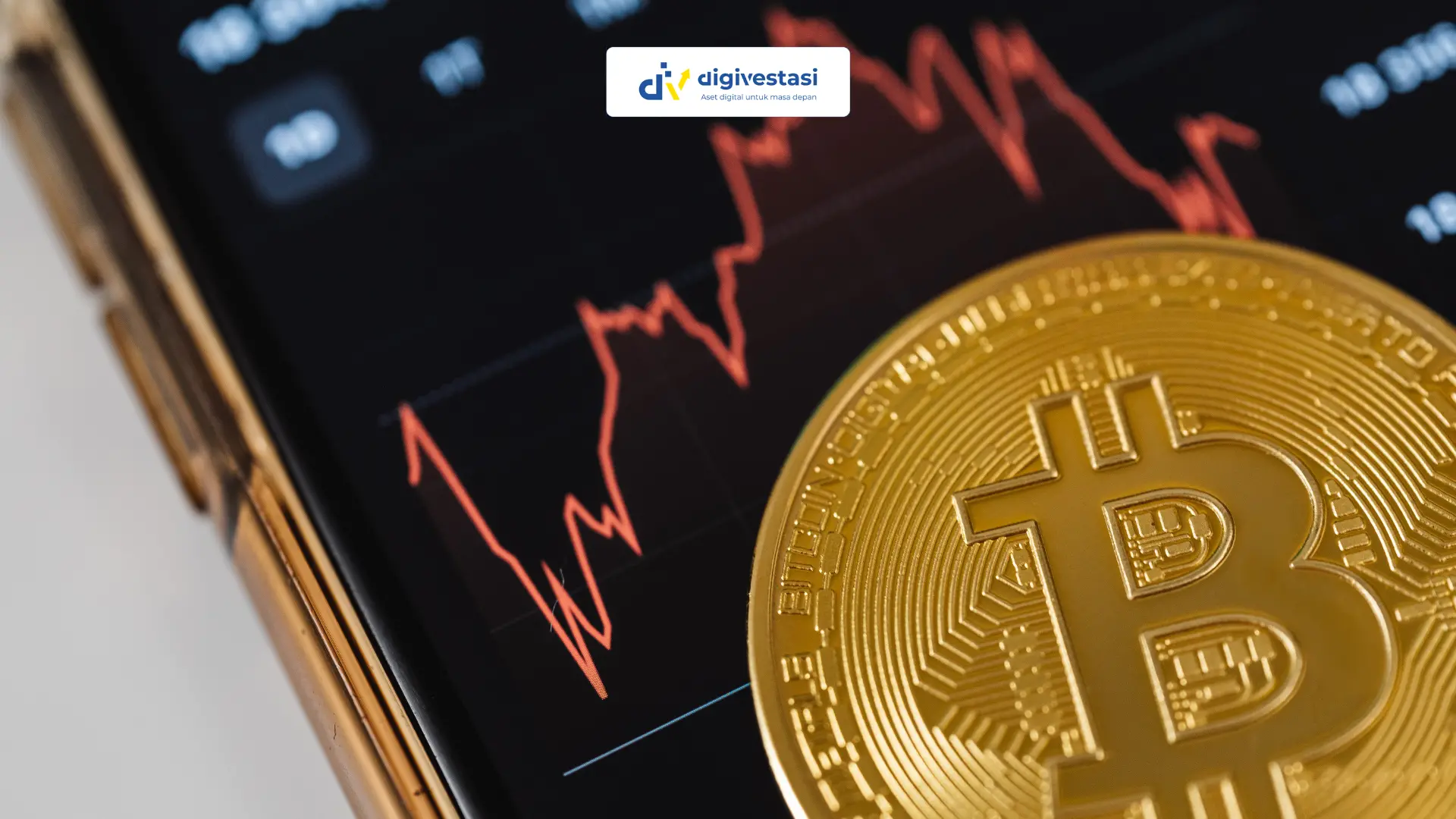
Bitcoin Seen as More Resilient in a Markdown Phase, but Several Altcoins Show Relative Strength
As the crypto market enters a prolonged downturn or markdown phase, a familiar question resurfaces: does Bitcoin remain the most resilient asset, or are certain altcoins performing better under pressure? Recent analyses from market participants and updated on-chain data suggest that the answer is not entirely definitive, though several consistent patterns are now emerging.
Overview: Performance Comparison During Market Downturns
Historically, Bitcoin has been viewed as the most stable crypto asset due to its deep liquidity, dominant market capitalization, and broad institutional adoption. During sharp correction periods, Bitcoin still declines, but its drop is typically more controlled compared to altcoins, which often suffer steeper losses due to thinner liquidity and more extreme volatility.
However, recent assessments indicate that several altcoins occasionally display short-term resilience or decoupling from Bitcoin’s movement, particularly during moments driven by project-specific sentiment.
Why Bitcoin Is More Stable (Fundamentals & Market Structure)
1. Deep Liquidity and Wider Exchange Distribution
Bitcoin is traded across almost every major exchange, supported by order books that are significantly deeper than those of most altcoins. This structure makes extreme price swings more difficult to trigger, resulting in percentage declines that are typically more moderate than those of small-cap altcoins.
2. Institutional Support and Financial Products
Aside from benefiting from ETFs and structured investment products, Bitcoin has become a preferred instrument for institutional capital. These large capital inflows create a buffer that helps absorb liquidation pressure, making Bitcoin’s volatility easier to manage compared to other crypto assets.
3. Perception as a “Safe-Haven” Within the Crypto Ecosystem
For many investors, Bitcoin functions as a protective asset within the crypto market. When uncertainty increases, capital rotation often shifts into Bitcoin, slowing the kind of heavy sell-offs that frequently hit altcoins.
Why Altcoins Are More Vulnerable — and When They Can Hold Up
1. High Volatility and Limited Liquidity
Many altcoins have small market capitalizations and thin trading volumes. This makes them more susceptible to large sell orders, causing their declines to be far deeper during panic selling events.
2. Strengthened Correlation Under Stress, but Occasional Decoupling
Altcoins generally show stronger correlation to Bitcoin when the market is under stress. However, certain altcoins — especially those with strong utility like Ethereum — occasionally demonstrate resilience or movement patterns that diverge from Bitcoin. This phenomenon can arise from fundamental news, network upgrades, or large-scale accumulation by major market players (whales).
3. Fundamental Risks and Ecosystem Durability
Altcoins with weak business models or hype-driven tokenomics are usually the first to collapse. Conversely, large-cap altcoins with growing ecosystems and stable liquidity — such as Ethereum sometimes perform better during markdown phases.
Recent Empirical Evidence: Market Trends & On-Chain Data
1. Rising Activity Among Bitcoin Long-Term Holders
Reports from last week show that long-term Bitcoin holders have started to release part of their holdings, adding macro selling pressure. Although Bitcoin is not immune to systemic shocks, the impact remains different compared to small-cap altcoins with more limited liquidity.
2. Potential Decoupling Among Specific Altcoins
Several market studies indicate that certain altcoins have shown relative strength amid Bitcoin’s volatility, suggesting possible internal capital rotation or accumulation in selected projects. However, these effects are temporary and do not occur uniformly across all altcoins.
Investor Strategies During a Markdown Phase: Choose BTC, Altcoins, or a Mix?
1. Prioritize Liquidity and Blue-Chip Assets
To reduce the risk of severe drawdowns, investors generally favor Bitcoin or large altcoins like Ethereum. Small-cap assets tend to be more vulnerable to downward pressure.
2. Apply a “Core–Satellite” Diversification Approach
This strategy places Bitcoin and other large-cap assets as the core of the portfolio for stability, while high-potential altcoins serve as satellite components. This approach offers exposure to altcoin upside without compromising the overall portfolio structure.
3. Manage Position Size & Risk
Reducing exposure to high-risk altcoins and adopting a maximum drawdown limit per asset can help minimize losses. Excessive leverage should be avoided.
4. Use Stablecoins as a Buffer
Allocating part of the capital in stablecoins provides flexibility during deep corrections and acts as short-term protection.
5. Conduct Thorough Research (DYOR)
Invest only in altcoins with strong fundamentals, transparent teams, adequate liquidity, and measurable technical roadmaps. Altcoins with active ecosystems have a greater chance of surviving downturn phases.
What do you think about this topic? Tell us what you think. Don't forget to follow Digivestasi's Instagram, TikTok, Youtube accounts to keep you updated with the latest information about economics, finance, digital technology and digital asset investment.
DISCLAIMER
All information contained on our website is summarized from reliable sources and published in good faith and for the purpose of providing general information only. Any action taken by readers on information from this site is their own responsibility.
SHARE
VIEW


