


Technology Update
Apple Is 8 Years Late? China's Royole Launched a Foldable Phone Back in 2018
/index.php
Edukasi - Posted on 26 December 2025 Reading time 5 minutes
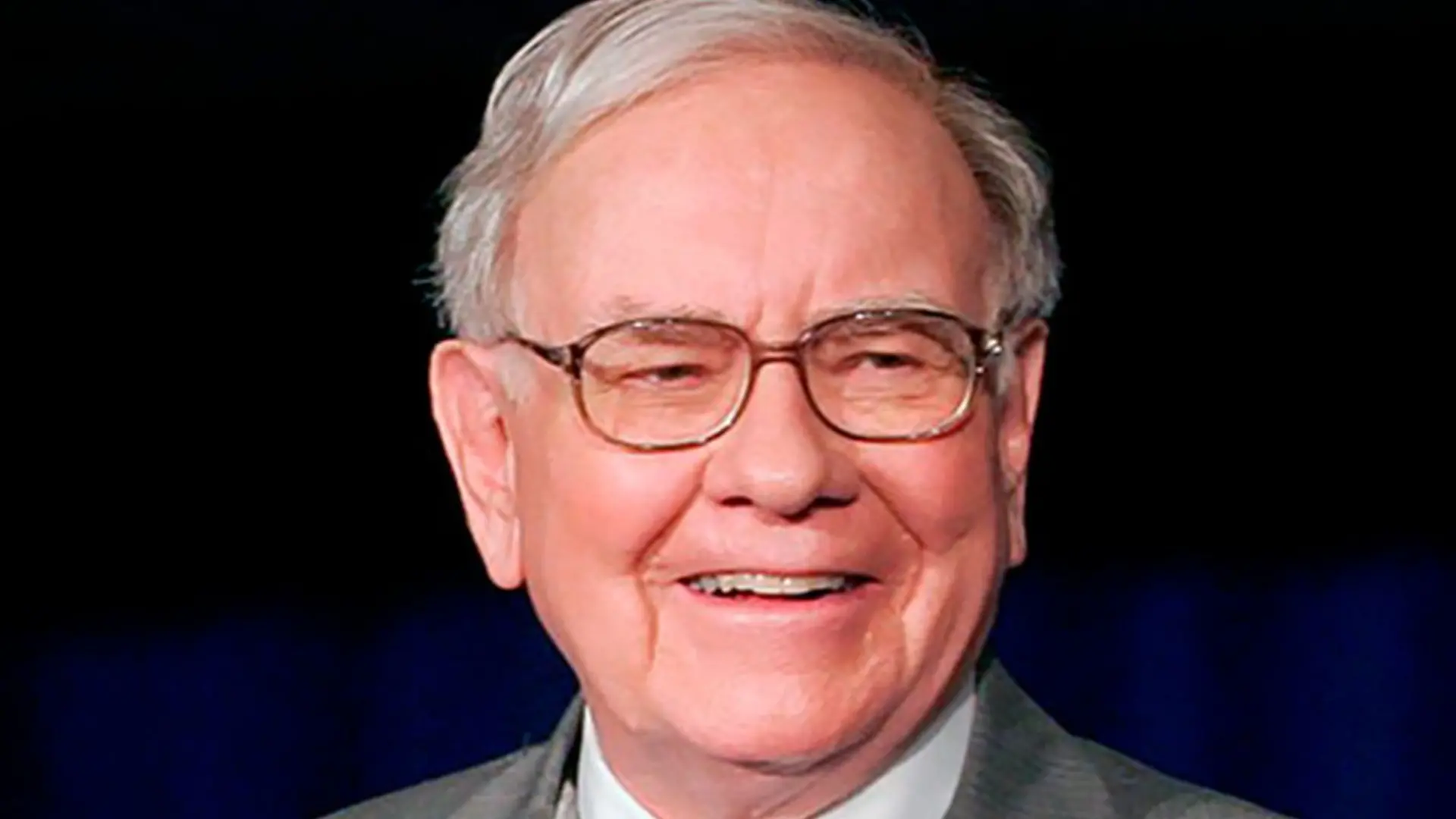
Warren Buffett is widely recognized as one of the world’s wealthiest individuals, with a net worth exceeding US$147 billion, or roughly Rp 2,466 trillion. Despite this immense fortune, his lifestyle remains notably modest.
Buffett continues to live in the same Omaha home he purchased in 1958 for US$31,500, equivalent to about Rp 528.6 million. He drives himself, avoids luxury brands, and often opts for a simple breakfast at McDonald’s.
These habits reflect Buffett’s belief that building wealth is not solely about increasing income, but about avoiding financial traps that prevent the middle class from accumulating capital.
Buffett’s financial philosophy highlights spending patterns he considers wasteful and counterproductive to wealth creation. Citing New Trader U (Monday, 22/12/2025), there are five areas where, according to Buffett, the middle class frequently loses money.
First, new cars and depreciating assets. Buffett has said he drives only about 3,500 miles a year, giving him little reason to buy new vehicles. In fact, he only replaced his old car after encouragement from his daughter. Meanwhile, middle-class consumers spend billions on new cars that lose roughly 20 percent of their value immediately and up to 60 percent within five years. A US$40,000 vehicle can fall to about US$16,000 in value while loan payments and interest remain. Buffett drove a 2006 Cadillac DTS for many years before switching to a 2014 model. He believes a three-year-old car provides the same utility at nearly half the cost, freeing up capital for appreciating investments. In his view, depreciation far outweighs the benefits of warranties or perceived reliability.
Second, credit card interest and consumer debt. Buffett’s longtime partner Charlie Munger once described high-interest debt as a nearly inescapable trap. Buffett agrees, arguing that many financial failures stem from poor use of debt. Carrying credit card balances at interest rates of 18–20 percent is, in his view, a near-certain way to erode wealth. The average middle-class household carries about US$6,501 in credit card debt, costing roughly US$1,300 annually in interest alone. Buffett stresses that paying high interest while expecting modest investment returns is fundamentally flawed. Over decades, such interest payments can destroy substantial wealth. Debt, he argues, should be reserved for productive assets, not consumption.
Third, brand-driven spending and status symbols. Buffett famously distinguishes between price and value, a distinction the middle class often overlooks. Designer clothing, luxury bags, and premium gadgets can cost several times more than functional alternatives without offering additional utility. A US$1,500 bag, for instance, provides no greater function than one costing US$150. Buffett himself wears inexpensive clothing and notes that true success is incompatible with constant concern about others’ opinions.
Fourth, financial products that are poorly understood. Buffett is known for investing only in businesses he understands, yet many middle-class investors ignore this principle when purchasing complex financial products. Whole life insurance, high-fee annuities, and actively managed funds with expense ratios above 1.5 percent can steadily drain wealth. Paying such fees on a US$100,000 portfolio over 30 years can result in losses of hundreds of thousands of dollars to intermediaries. Buffett consistently recommends low-cost index funds, a stance reinforced by his 2007 bet in which the S&P 500 index outperformed hedge funds over a decade.
Fifth, prioritizing instant gratification over long-term returns. One of Buffett’s strongest lessons revolves around patience. He has said that today’s shade exists because someone planted a tree long ago. Middle-class households often spend heavily on immediate pleasures such as dining out, subscriptions, and entertainment. In the U.S., the average household spends about US$3,500 annually on eating out. Invested at an 8 percent return, that amount could grow to over US$400,000 in 30 years.
Buffett maintains a frugal lifestyle even as his wealth continues to grow, allowing more capital to be directed toward long-term investments. His spending philosophy suggests that middle-class financial struggles are more often driven by consumption habits than by income limitations. According to Buffett, the gap between the middle class and the wealthy is shaped not just by earnings, but by fundamentally different spending priorities.
Source: kompas.com
What do you think about this topic? Tell us what you think. Don't forget to follow Digivestasi's Instagram, TikTok, Youtube accounts to keep you updated with the latest information about economics, finance, digital technology and digital asset investment.
DISCLAIMER
All information contained on our website is summarized from reliable sources and published in good faith and for the purpose of providing general information only. Any action taken by readers on information from this site is their own responsibility.
SHARE
VIEW


