


Bussiness | Economy
Indonesian Goods Face 10% U.S. Forced-Labor Tariff as Jakarta Continues Talks
/index.php
Berita Terkini - Posted on 26 December 2025 Reading time 5 minutes
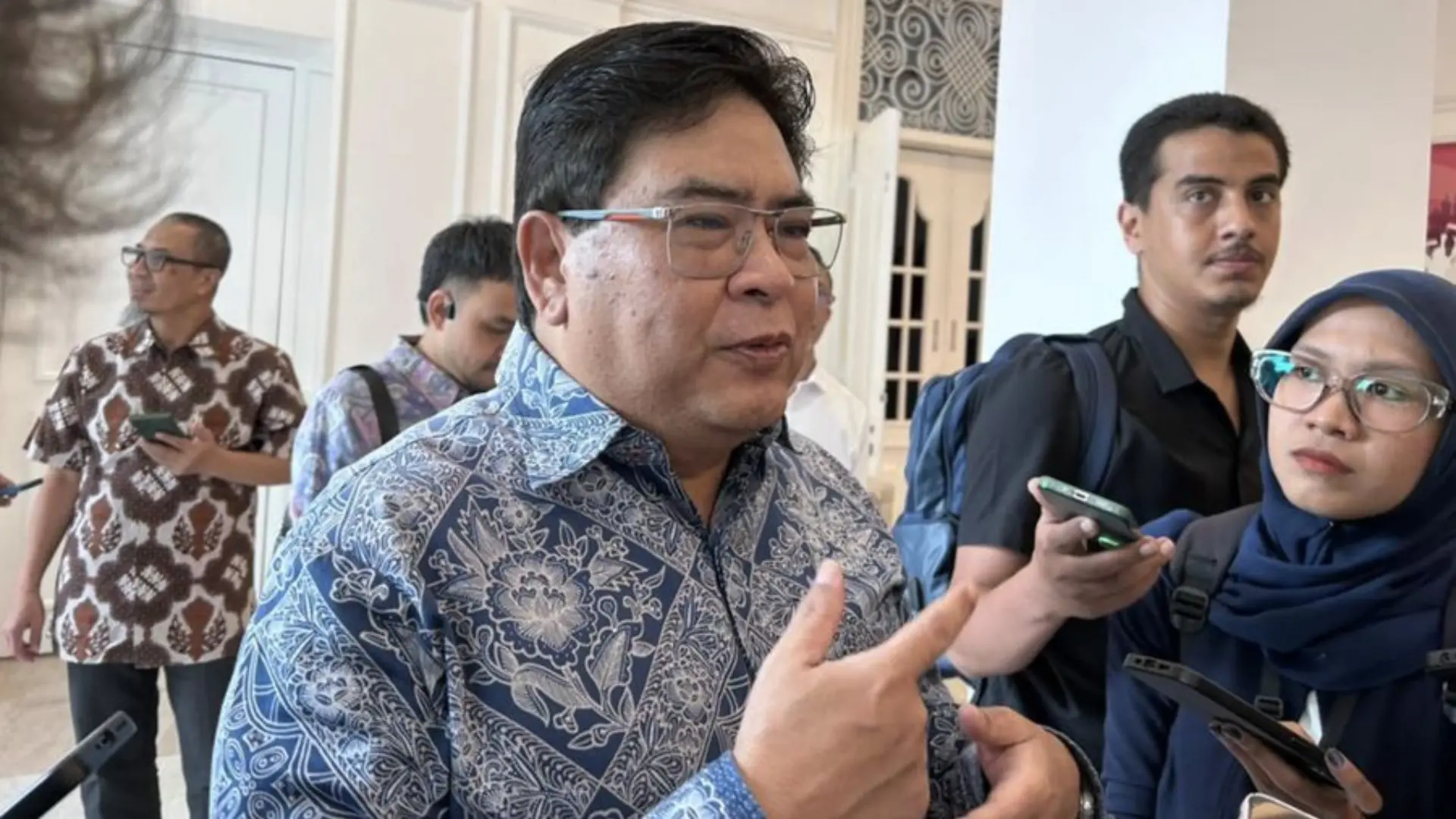
The debate over minimum wage policy has resurfaced following the increase of Jakarta’s Provincial Minimum Wage (UMP) to Rp5.72 million. Business groups argue that wage regulations remain overly focused on setting annual minimum wage figures.
In practice, companies face vastly different financial conditions, making it unrealistic to apply a single wage formula across all industries.
Employers have also highlighted the lack of emphasis on strengthening dialogue mechanisms at the company level. Direct communication between management and workers is considered more effective in reflecting both a firm’s financial capacity and employees’ cost-of-living needs.
Apindo’s Head of Manpower Affairs, Bob Azam, emphasized that employers are not opposed to wage increases in principle. In fact, some companies are capable of offering pay raises that exceed government-mandated levels.
According to Bob, if a company has sufficient financial capacity, wage increases should be determined through bipartite negotiations at the company level. Whether the increase reaches 10 percent or even 20 percent, the decision should rest with each company, as those within the organization best understand its financial ability.
This situation has caused minimum wage debates to recur year after year. As a result, employers are urging regional governments to move beyond focusing solely on UMP figures and instead strengthen wage-setting policies based on bipartite dialogue.
Bipartite negotiations are seen as better reflecting real-world conditions than blanket wage policies. Industrial relations at the company level are believed to provide the most comprehensive insight into business capacity and workers’ living needs.
Bob added that labor unions within companies are also well positioned to understand both corporate capabilities and the welfare of their members, making company-level discussions particularly relevant.
However, he expressed disappointment over the lack of serious policies aimed at reinforcing bipartite mechanisms. He observed that the government remains preoccupied with annual minimum wage debates, while long-term wage-setting instruments are largely neglected. As a result, wage disputes continue to repeat themselves each year.
Bob argued that policy efforts should prioritize the development of bipartite wage systems rather than focusing excessively on minimum wage determinations.
Furthermore, wage structure and scale frameworks—intended to serve as guidelines at the company level—have yet to be properly elaborated. This has led to wage policies becoming stagnant and repetitive, with little meaningful improvement. Employers have submitted a formal letter to the governor and hope their recommendations will be taken into consideration.
Source: cnbcindonesia.com
What do you think about this topic? Tell us what you think. Don't forget to follow Digivestasi's Instagram, TikTok, Youtube accounts to keep you updated with the latest information about economics, finance, digital technology and digital asset investment.
DISCLAIMER
All information contained on our website is summarized from reliable sources and published in good faith and for the purpose of providing general information only. Any action taken by readers on information from this site is their own responsibility.
SHARE
VIEW


