


Technology Update
Apple Is 8 Years Late? China's Royole Launched a Foldable Phone Back in 2018
/index.php
Berita Terkini - Posted on 07 February 2026 Reading time 5 minutes
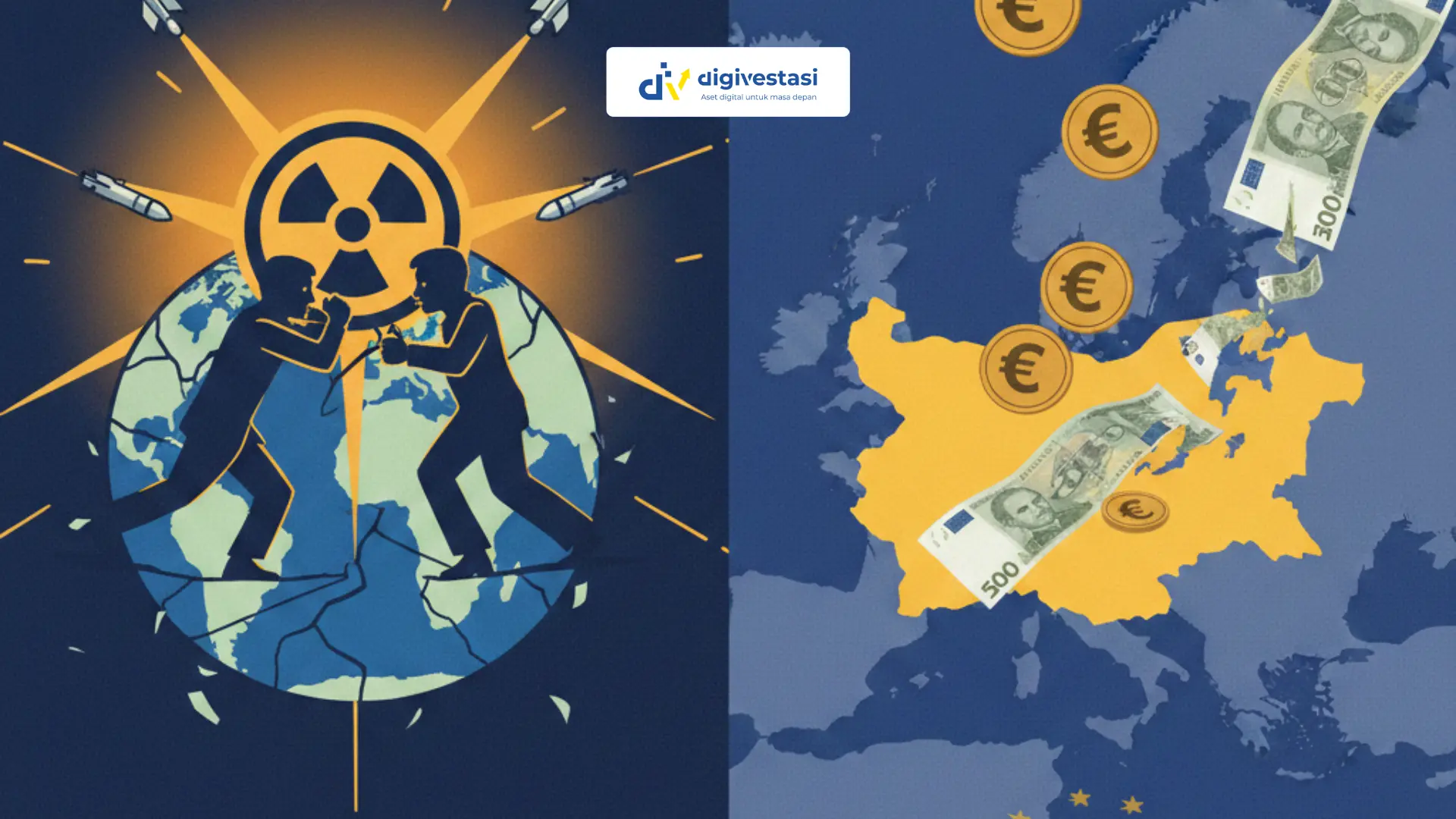
A new chapter in Balkan history has been written as Bulgaria, long regarded as the European Union’s poorest economy, officially abandoned its national currency, the lev, and fully adopted the euro as of January 1, 2026. With this move, Bulgaria became the 21st member of the Eurozone, pushing the total number of euro users across Europe beyond 350 million.
The milestone was celebrated enthusiastically in the capital city of Sofia, marking the region’s latest step toward deeper economic integration, following Croatia’s entry into the euro area three years earlier.
For Bulgarian citizens, the transition brings an immediate adjustment in monetary values. For example, savings of 10,000 leva are now converted into roughly 5,100 euros.
Beyond easing transactions for tourists and businesses, euro adoption grants Bulgaria a more strategic role in European monetary policymaking. The country now holds a seat on the European Central Bank’s (ECB) Governing Council, with voting rights on interest rate decisions.
Antonia Tsvetkova, a jewelry entrepreneur in Sofia, expressed strong optimism about the euro, saying it would deliver clear benefits, particularly for frequent travelers who will no longer face currency exchange issues.
Despite strong backing from the business community, the transition comes amid ongoing domestic political uncertainty. Last month, Bulgaria’s government stepped down following mass protests over proposed tax increases.
Opinion polls indicate that public sentiment remains divided, with some citizens concerned that adopting the euro could accelerate price increases during an ongoing cost-of-living crisis.
The accession of the Balkan nation, home to about 6.7 million people, represents the culmination of a long process that began with Bulgaria’s entry into the European Union in 2007. Eurozone membership is expected to deepen economic integration with the EU single market and attract greater levels of foreign direct investment (FDI).
Source: cnbcindonesia.com
What do you think about this topic? Tell us what you think. Don't forget to follow Digivestasi's Instagram, TikTok, Youtube accounts to keep you updated with the latest information about economics, finance, digital technology and digital asset investment.
DISCLAIMER
All information contained on our website is summarized from reliable sources and published in good faith and for the purpose of providing general information only. Any action taken by readers on information from this site is their own responsibility.
SHARE
VIEW


