


Technology Update
Apple Is 8 Years Late? China's Royole Launched a Foldable Phone Back in 2018
/index.php
Berita Terkini - Posted on 17 January 2026 Reading time 5 minutes
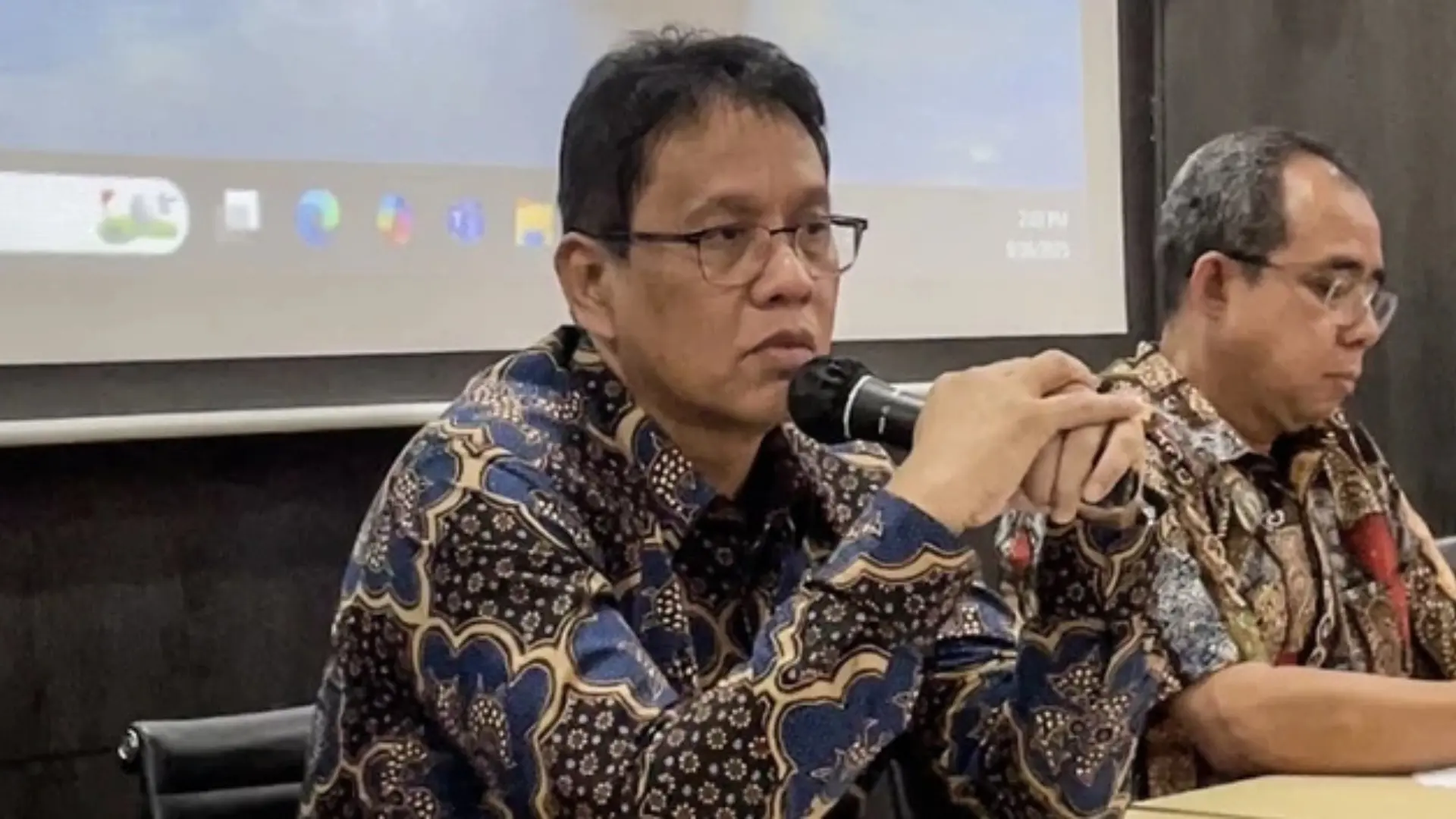
The Directorate General of Taxes (DGT) under Indonesia’s Ministry of Finance has tightened tax enforcement by issuing new technical rules governing the seizure and sale of financial assets in the form of publicly traded shares. The measures are stipulated in Director General Regulation No. PER-26/PJ/2025, which outlines procedures for confiscating and selling listed shares as part of tax collection efforts. Signed by Director General Bimo Wijayanto on December 31, 2025, the regulation aims to ensure legal certainty and standardize procedures for tax officers in liquidating the assets of delinquent taxpayers.
The regulation introduces a structured enforcement process, beginning with the blocking of assets and culminating in forced sales through the stock exchange. As an initial step, DGT officials may request assistance from the Financial Services Authority (OJK) to instruct the Central Securities Depository to block shares held in a taxpayer’s Securities Sub-Account. The blocking mechanism may also extend to funds held in a Customer Fund Account. The rule explicitly states that shares traded on the capital market may be seized to settle outstanding tax liabilities. To facilitate implementation, the DGT is required to maintain its own Securities Account, Customer Fund Account, and Temporary Holding Account in the name of the tax authority.
The sale of seized shares may proceed if the taxpayer fails to settle tax debts and collection costs within 14 days of the seizure. In such cases, DGT officials will issue a sale order to a licensed brokerage firm that is a member of the stock exchange. However, the sale is subject to price safeguards, as the minimum selling price must be no lower than the market’s opening price on the transaction day. If some shares remain unsold while the tax debt remains unpaid, additional sale orders may be issued.
All proceeds from the share sale, after deducting brokerage fees, taxes, and administrative costs, will be transferred to the DGT’s Temporary Holding Account before being remitted to the state treasury to settle the tax liability. Any excess funds or remaining shares after the debt has been fully paid must be returned to the taxpayer in accordance with prescribed procedures. This regulation serves as an implementing rule of Minister of Finance Regulation No. 61 of 2023 and has been in effect since December 31, 2025.
Source: bisnis.com
What do you think about this topic? Tell us what you think. Don't forget to follow Digivestasi's Instagram, TikTok, Youtube accounts to keep you updated with the latest information about economics, finance, digital technology and digital asset investment.
DISCLAIMER
All information contained on our website is summarized from reliable sources and published in good faith and for the purpose of providing general information only. Any action taken by readers on information from this site is their own responsibility.
SHARE
VIEW


