


Technology Update
Apple Is 8 Years Late? China's Royole Launched a Foldable Phone Back in 2018
/index.php
Bisnis | Ekonomi - Posted on 28 August 2025 Reading time 5 minutes
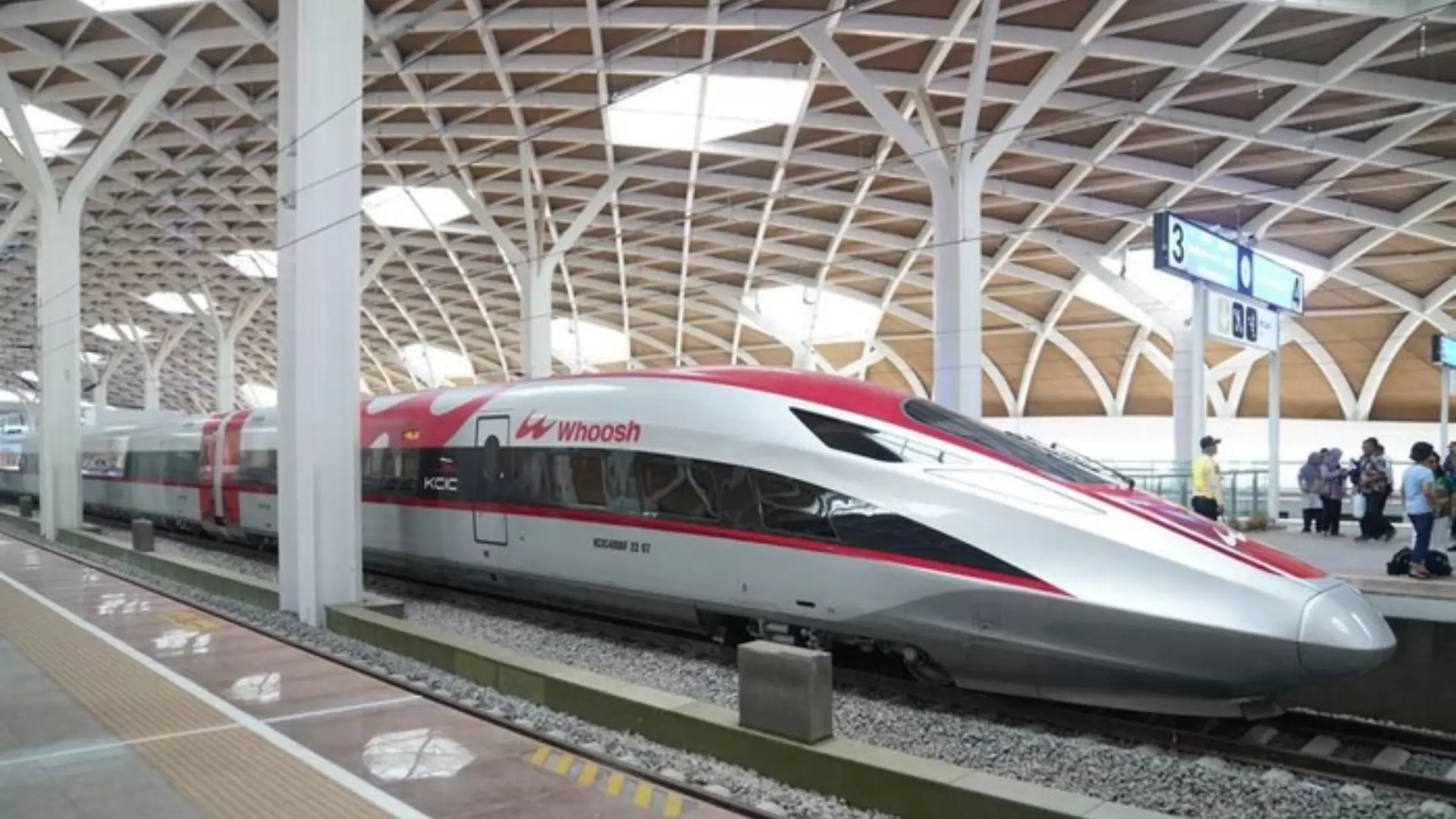
The Whoosh High-Speed Rail was expected to propel Indonesia into the future. In reality, it has brought billions of dollars in debt and half-empty carriages.
What started as a US$6 billion (Rp97.67 trillion) project ballooned to US$7.3 billion (Rp118.83 trillion). State-Owned Enterprises (SOEs) are now saddled with more than US$5 billion (Rp81.39 trillion) in loans, most of which come from the China Development Bank.
The government once promised the project would "break even" with a passenger target of 16 million annually. The reality? Not even half that figure has been achieved.
According to KCIC data, the Whoosh High-Speed Rail served 2,936,599 passengers by the end of June 2025, up about 10% compared to the same period the previous year, which recorded 2,668,894 passengers. In 2024, the total reached only 6.06 million passengers.
Losses have already amounted to trillions of rupiah, with taxpayers expected to shoulder the burden. This is a textbook case of malinvestment: money flowing not where the people demand, but where politicians think it looks grand. Cheap Chinese loans and state guarantees made the project appear "profitable."
Hayek would likely laugh: the market never demanded a Jakarta-Bandung high-speed rail, yet planners went ahead. Now, the price signal is clear—red ink, year after year. Worse still, Whoosh is only the beginning.
Public debt is projected to reach 40% of GDP by 2025, up from around 30% just a year earlier. The new administration plans to borrow an additional Rp775 trillion for more flagship and prestige projects.
Officials say, “Don’t worry, it’s still below the global average.” That is the language of an addict seeking their next hit. Debt does not create prosperity; it only creates an illusion.
The rail leads to nowhere, to stations never asked for by the public. It diverts capital that could have built real value through entrepreneurs. Instead of profits, we get subsidies. Instead of growth, we get monuments.
The simple fact: Whoosh will not break even in 40 years. By then, the trains will rust, the tracks will wear, and a new cycle of debt will already be looming. This is not development; it is a theater of debt.
Indonesia has two choices: keep pretending that borrowed money builds wealth or wake up from the dream. The market—not bureaucrats, not Beijing, not planners in Jakarta—knows best where capital should go.
Ignore this, and Whoosh will be remembered not as progress, but as a warning.
Source: cnbcindonesia.com
What do you think about this topic? Tell us what you think. Don't forget to follow Digivestasi's Instagram, TikTok, Youtube accounts to keep you updated with the latest information about economics, finance, digital technology and digital asset investment.
DISCLAIMER
All information contained on our website is summarized from reliable sources and published in good faith and for the purpose of providing general information only. Any action taken by readers on information from this site is their own responsibility.
SHARE
VIEW


