


Technology Update
Apple Is 8 Years Late? China's Royole Launched a Foldable Phone Back in 2018
/index.php
Bisnis | Ekonomi - Posted on 13 October 2023 Reading time 5 minutes
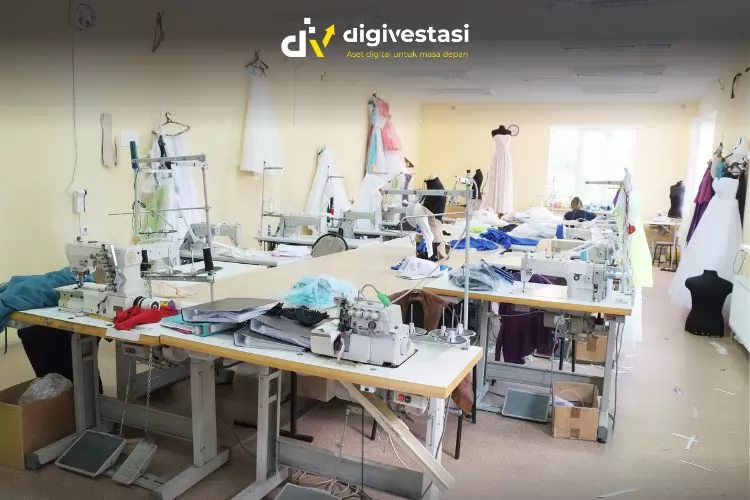
The Coordinating Minister for Economic Affairs, Airlangga Hartarto, has announced the government's plan to provide incentives to industries vulnerable to layoffs, particularly in the textile and textile product (TPT) sector operating in facilitative zones such as Bonded Zones (KB).
Minister Airlangga explained that these incentives aim to provide additional support to the TPT industry, making it easier for them to sell their products in the domestic market. The plan is to grant incentives to entrepreneurs with an export orientation, provided that their export sales reach up to 50 percent of total sales.
Details regarding these incentives will be further regulated through the Minister of Industry's decree.
The Incentive Plan Includes:
Financial Restructuring To support the TPT industry and other sectors susceptible to layoffs, the government will take action to restructure financing through the Financial System Stability Committee (KSSK) and banking institutions. This step aims to ensure the textile industry remains competitive and avoids layoffs.
Tightening Import of Goods The government will respond to complaints from traders, business associations, and the public regarding the increased importation of goods in traditional markets, decreased activities in traditional markets, and increased sales of imported goods through digital platforms (e-Commerce).
Therefore, a reevaluation of the entry of imported goods that may disrupt the community and the domestic market is required. This includes items such as ready-made clothing, children's toys, electronics, footwear, cosmetics, finished textile products, traditional medicines, health supplements, and bags.
Import tightening will also shift the supervision from being post-border to at the border, introducing import approvals (PI) and surveyor reports (LS).
According to Minister Airlangga, border supervision for eight specific commodity groups (655 HS) will necessitate changes in regulations across various ministries. The President has requested that all these regulations be revised within two weeks.
The anticipated changes in supervision are not expected to significantly impact import processing times (Dwelling-Time) or logistics costs. To reinforce supervision, the formation of a National Task Force is proposed, involving the police, customs, trade, industry, SME cooperatives, the Ministry of Communication and Information Technology (Kominfo), and the Quarantine Agency.
Furthermore, strengthening institutional bodies such as the Consumer Protection Agency and the Business Competition Supervisory Commission (KPPU) is essential to address unfair practices in the digital sector and ensure compliance with standards such as the Indonesian National Standard (SNI), the National Agency of Drug and Food Control (BPOM), and halal certifications for the e-Commerce sector.
What do you think about this topic? Tell us what you think. Don't forget to follow Digivestasi's Instagram, TikTok, Youtube accounts to keep you updated with the latest information about economics, finance, digital technology and digital asset investment.
DISCLAIMER
All information contained on our website is summarized from reliable sources and published in good faith and for the purpose of providing general information only. Any action taken by readers on information from this site is their own responsibility.
SHARE
VIEW


