


Technology Update
Apple Is 8 Years Late? China's Royole Launched a Foldable Phone Back in 2018
/index.php
Bisnis | Ekonomi - Posted on 05 January 2026 Reading time 5 minutes
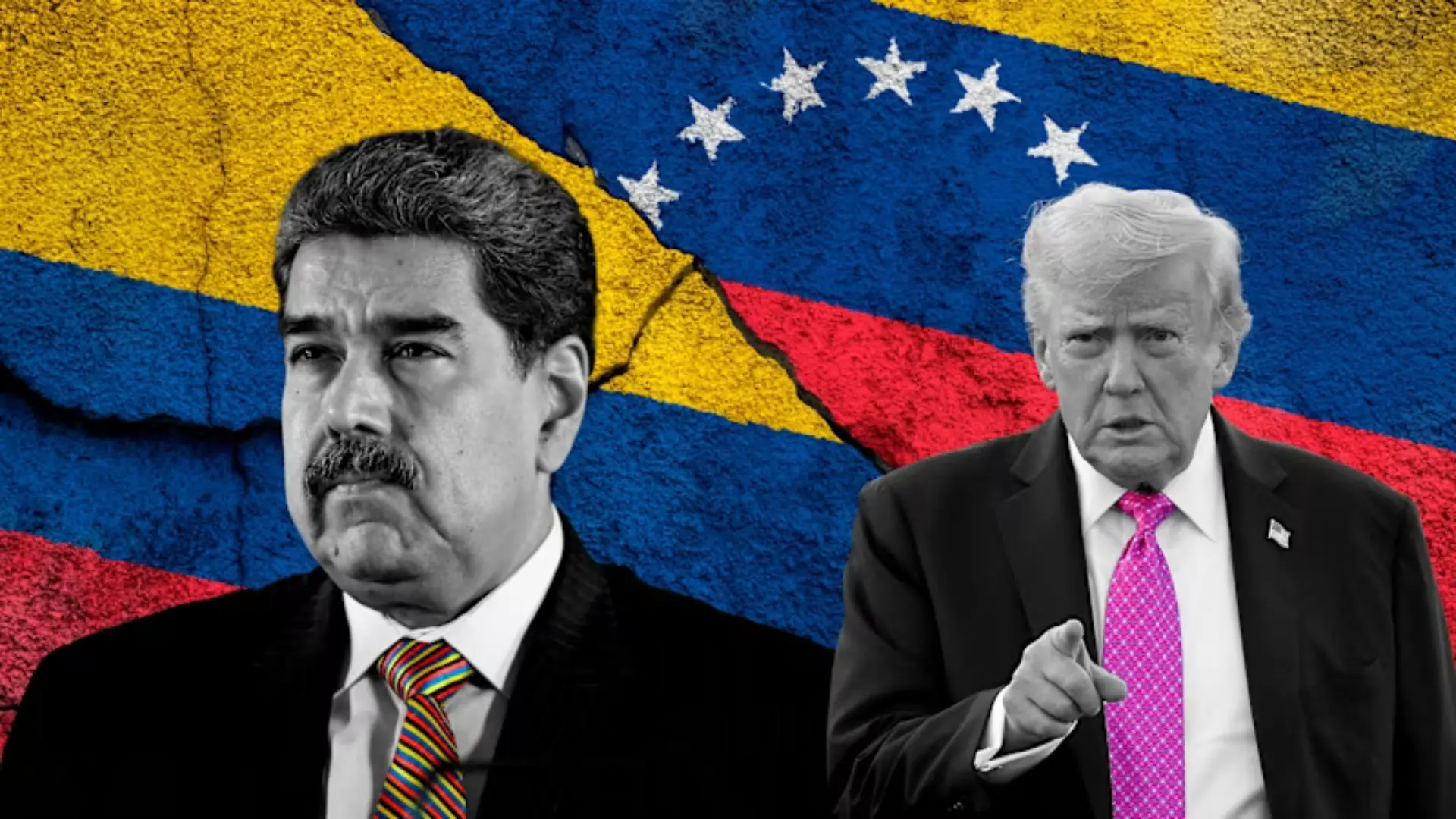
Teuku Rezasyah, a lecturer in International Relations at President University, said the U.S. attack on Venezuela and the abduction of President Nicolás Maduro exposed the country’s institutional fragility. He expressed disbelief that a sitting president could be captured without any meaningful resistance.
Rezasyah argued that it is difficult to comprehend how a head of state with layered security and full state apparatus support could be arrested so easily. In his view, this indicates that the vigilance and responsiveness of state institutions had been effectively neutralized. He suggested that figures close to the government allowed the process to unfold and may have benefited from Maduro’s downfall, as he told reporters on Monday (5/1/2025).
As a result, Rezasyah noted, Venezuela’s national military offered no resistance to defend President Maduro. He emphasized that the incident should serve as an important lesson for the international community.
According to him, the greatest threat to a nation does not always come from external enemies, but rather from internal doubt and weakened unity within the ruling circle itself, especially when those in power believe the state is already secure.
Rezasyah also outlined the possible implications of the U.S. attack on Venezuela for Indonesia. He said the situation could lead to rising domestic fuel prices and a weakening of the rupiah against the U.S. dollar.
He explained that global oil prices are likely to increase, and under basic supply-and-demand dynamics, this would affect fuel prices in Indonesia. Such conditions could widen the state budget deficit, and if the government raises fuel prices, it could trigger political instability.
In addition, he estimated that the rupiah could depreciate to around 17,000–18,000 per U.S. dollar. He added that the impact could also extend to Indonesia’s defense and security sectors.
Rezasyah warned that the United States might repeat its policy of launching sudden attacks in the Indo-Pacific region against countries whose economic and energy positions differ from those of Washington. Given the extensive U.S. military presence across the Indo-Pacific and Southeast Asia, he urged Indonesia to respond carefully by strengthening surveillance of land, sea, and air borders to safeguard national defense and security.
The large-scale U.S. assault on multiple targets in Venezuela, followed by Maduro’s arrest, marked the culmination of months of pressure by the Trump administration and drew condemnation from several world leaders.
Maduro was detained in the early hours of Saturday (3/1) after U.S. forces launched an initial strike. The U.S. government labeled him an illegitimate leader and subsequently transferred him and his wife, Cilia Flores, to the United States. President Donald Trump had previously demanded Maduro step down and accused him of supporting drug cartels responsible for thousands of drug-related deaths among U.S. citizens.
Since September 2025, U.S. forces have reportedly killed more than 100 people in at least 30 attacks on vessels suspected of smuggling drugs from Venezuela in the Caribbean and Pacific regions. Legal experts have warned that these actions may violate both U.S. domestic law and international law.
Source: detik.com
What do you think about this topic? Tell us what you think. Don't forget to follow Digivestasi's Instagram, TikTok, Youtube accounts to keep you updated with the latest information about economics, finance, digital technology and digital asset investment.
DISCLAIMER
All information contained on our website is summarized from reliable sources and published in good faith and for the purpose of providing general information only. Any action taken by readers on information from this site is their own responsibility.
SHARE
VIEW


