


Saham News
BBCA Shares Drop 2.25% as Foreign Investors Sell Rp419 Billion
/index.php
Bisnis | Ekonomi - Posted on 05 January 2026 Reading time 5 minutes
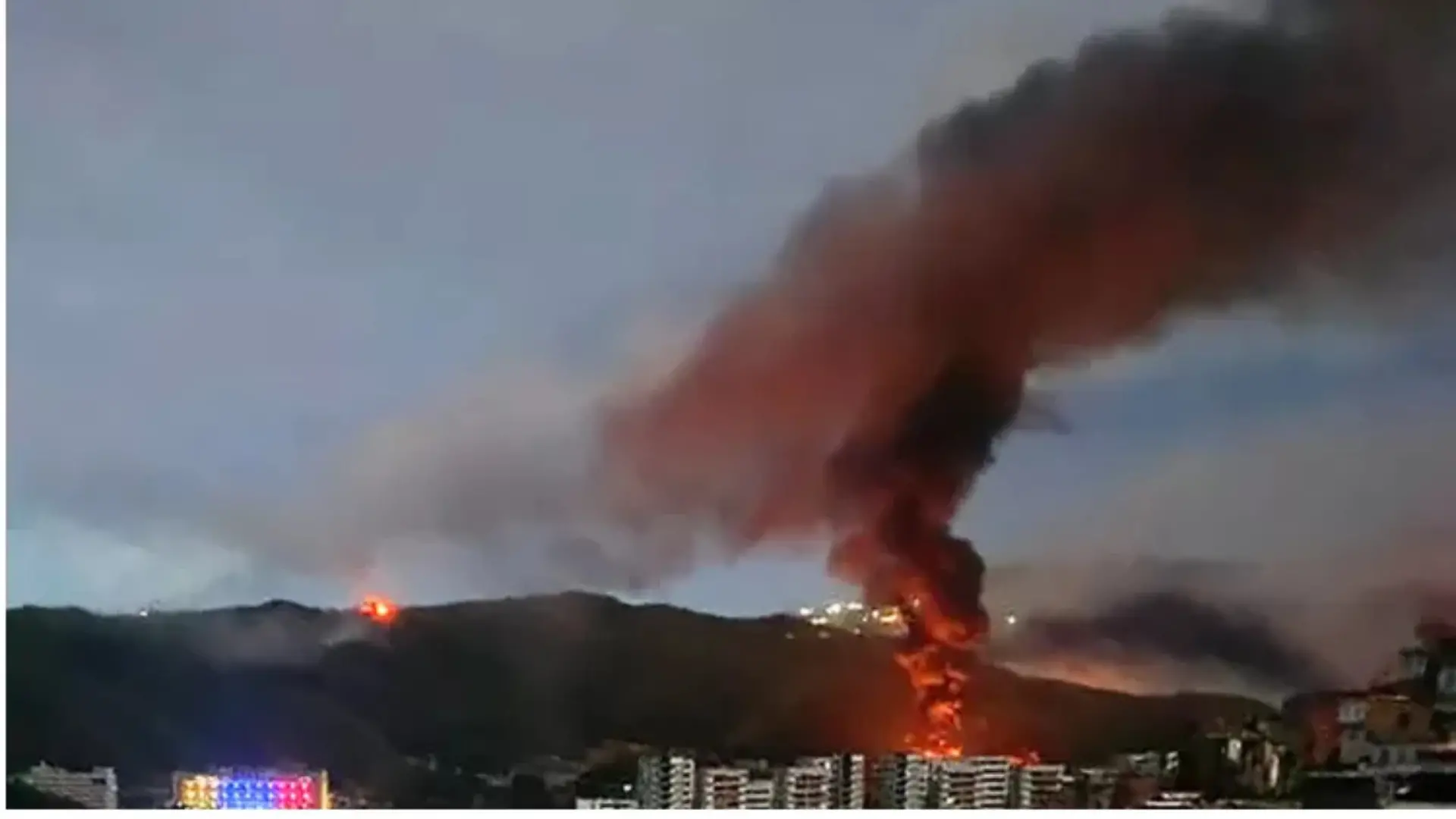
The conflict between the United States (US) and the Venezuelan government is considered to have only a limited impact on Indonesia’s economy. Nevertheless, heightened vigilance remains necessary to anticipate any potential spillover effects arising from the ongoing tensions.
Economists suggest that the most plausible risks include a rise in global oil prices and pressure on the currencies of emerging markets, including the Indonesian rupiah. However, these factors have so far exerted only a minimal influence on Indonesia’s overall economic stability.
Yusuf Randy Manilet, an economic researcher at the Center of Reform on Economics (CORE), emphasized that the government must remain prepared to prevent geopolitical tensions from disrupting the domestic economy. He noted that developments in Venezuela should be actively incorporated into national economic risk assessments.
Such considerations should be embedded within the planning and management of the state budget (APBN). Macroeconomic assumptions, he added, need to be gradually reviewed to determine whether adjustments are necessary in light of the conflict involving the oil-rich Latin American nation.
This process includes adopting more cautious macroeconomic assumptions, particularly with regard to oil price projections, exchange rate movements, and inflation, as well as strengthening fiscal risk mitigation strategies.
In addition, close coordination between fiscal and monetary policy is essential to maintaining financial market stability. The government must be able to manage rupiah volatility while ensuring that the state budget continues to serve as a shock absorber amid rising global uncertainty.
Meanwhile, Nailul Huda, an economist from the Center of Economic and Law Studies (CELIOS), stressed the importance of effective foreign policy management. He argued that the primary objective should be to avoid direct involvement in the conflict by adhering to a non-aligned foreign policy stance.
By steering clear of direct confrontation, Indonesia’s domestic economy can remain relatively secure.
Furthermore, the government is encouraged to help build a stronger global coalition among developing countries to enhance their collective influence on the foreign policies of advanced economies. According to Nailul Huda, major powers such as the United States have often asserted their dominance while sidelining the interests of developing nations.
Source: detik.com
What do you think about this topic? Tell us what you think. Don't forget to follow Digivestasi's Instagram, TikTok, Youtube accounts to keep you updated with the latest information about economics, finance, digital technology and digital asset investment.
DISCLAIMER
All information contained on our website is summarized from reliable sources and published in good faith and for the purpose of providing general information only. Any action taken by readers on information from this site is their own responsibility.
SHARE
VIEW


