


Saham News
Indonesia's JCI Falls 0.27% as BYAN Becomes Biggest Drag
/index.php
Investasi Digital - Posted on 13 January 2026 Reading time 5 minutes
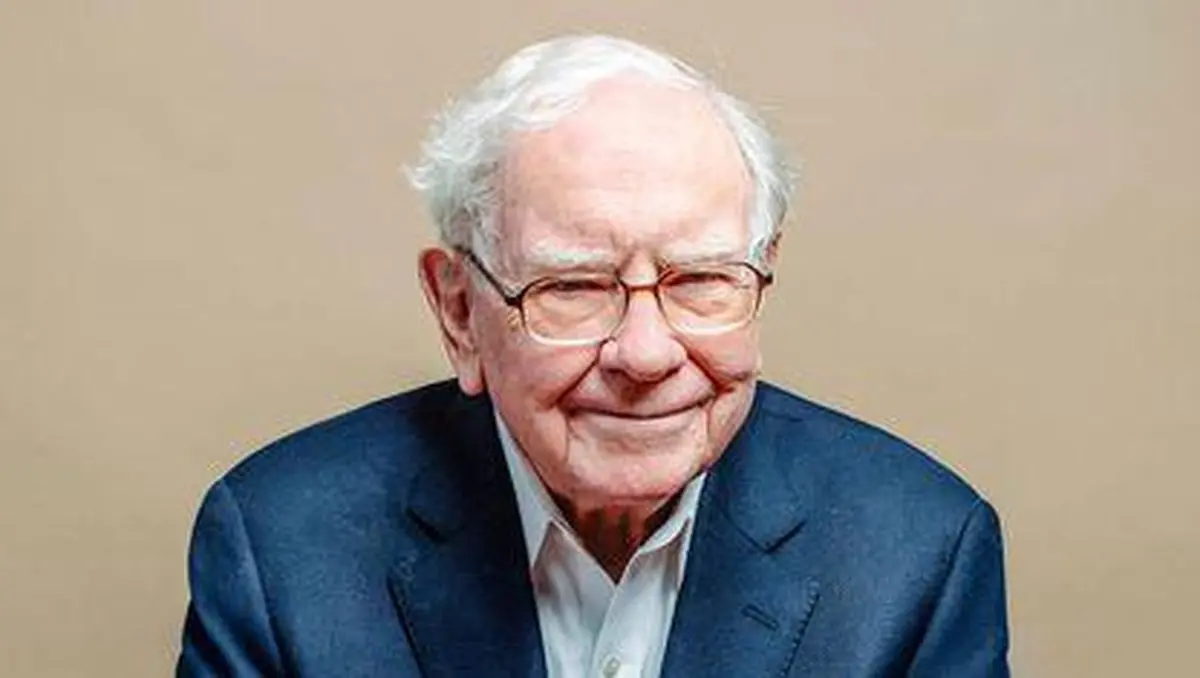
Legendary American investor Warren Buffett officially stepped down as CEO of Berkshire Hathaway at the end of 2025. Upon retirement, he left behind a company valued at over US$1 trillion and a personal fortune of around US$150 billion, equivalent to approximately Rp2,526.3 trillion based on an exchange rate of Rp16,842 per US dollar.
Such a career is nearly impossible to replicate, yet it has never stopped the public from seeking guidance on wealth-building from the man widely known as the Oracle of Omaha.
At Berkshire Hathaway’s 1999 annual shareholder meeting, Buffett was once asked how someone could accumulate US$30 billion in wealth. His response was brief and lighthearted: start early.
Buffett likened the process of building wealth to a snowball rolling down a long hill. He explained that wealth grows through the power of compound interest, which behaves much like a snowball—gaining size and momentum over time.
Compound interest refers to earning returns not only on the initial capital but also on the accumulated gains, a phenomenon often described by investment professionals as “magic.”
According to Buffett, the key to growing a large snowball is having a very long hill, meaning investors should begin as early as possible to maximize time.
He said that if he were to restart his career with US$10,000 after graduating from college, he would follow the same approach he used initially: investing in high-quality companies trading below their intrinsic value.
However, Buffett acknowledged that most retail investors lack the time and analytical expertise required to build a stock portfolio that consistently outperforms the market.
For that reason, he has repeatedly suggested that the best option for most people is to invest in an S&P 500 index fund, a view he reiterated at Berkshire Hathaway’s 2021 annual meeting.
This strategy would not turn someone with US$10,000 into a US$150 billion billionaire, but compound interest calculations show how extending the investment timeframe can dramatically impact long-term wealth growth.
For example, a 22-year-old college graduate who invests US$10,000 at an average annual return of 8% and contributes an additional US$5,000 each year could accumulate more than US$21 million by age 95. Starting five years later would reduce the portfolio to under US$15 million, while a ten-year delay would shrink it to below US$10 million.
Although these figures pale in comparison to Buffett’s fortune—an amount he himself has described as unimaginable—he has emphasized that beyond a certain level, wealth adds little to overall well-being.
Buffett has said that money loses much of its significance once basic needs are met, and that time is ultimately more valuable than wealth. If given the chance to exchange most of his net worth for additional years of life or greater freedom during those years, he would do so without hesitation.
Source: cnbcindonesia.com
What do you think about this topic? Tell us what you think. Don't forget to follow Digivestasi's Instagram, TikTok, Youtube accounts to keep you updated with the latest information about economics, finance, digital technology and digital asset investment.
DISCLAIMER
All information contained on our website is summarized from reliable sources and published in good faith and for the purpose of providing general information only. Any action taken by readers on information from this site is their own responsibility.
SHARE
VIEW


