


Saham News
BBCA Shares Drop 2.25% as Foreign Investors Sell Rp419 Billion
/index.php
Berita Terkini - Posted on 29 December 2025 Reading time 5 minutes
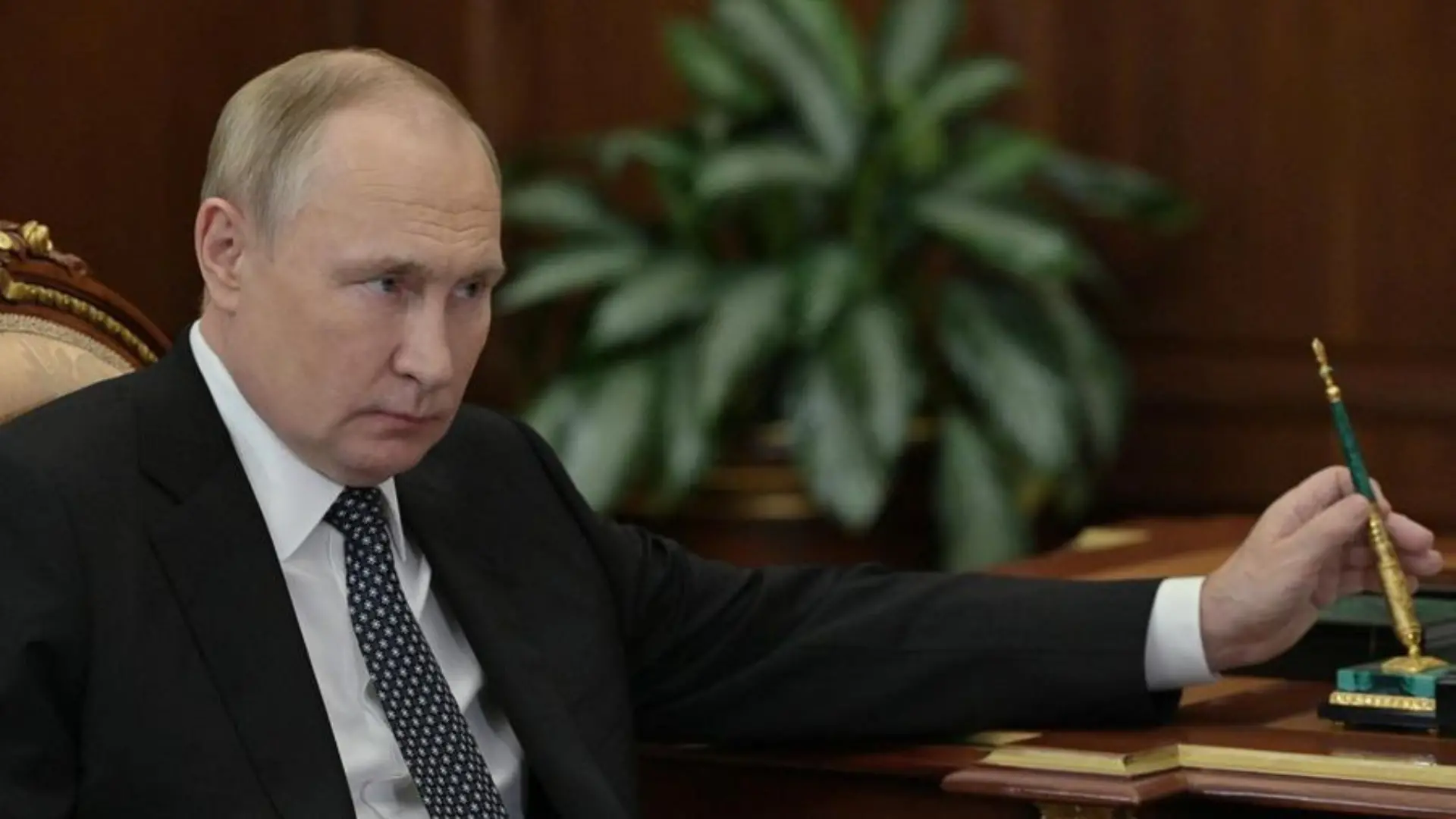
The number of billionaires in Russia has reached an all-time high amid the ongoing war in Ukraine. Yet behind this surge in wealth, Russia’s ultra-rich have largely lost their political influence. Oligarchs who once wielded immense power have quietly aligned themselves with the Kremlin, while Western sanctions—intended to weaken elite support for President Vladimir Putin—have failed to turn billionaires into political opponents.
Through a combination of coercion and economic incentives, Putin has effectively ensured their loyalty.
Former banking tycoon Oleg Tinkov knows firsthand how the Kremlin operates. Just one day after he publicly called the war “madness” on Instagram, government officials contacted his executives. They were warned that Tinkoff Bank—then Russia’s second-largest bank—would be nationalized unless all ties with its founder were severed.
“I couldn’t negotiate the price. It was like being held hostage—we had to accept what was offered,” Tinkov said, quoted by the BBC on Sunday (28/12/2025).
Within a week, a company linked to Vladimir Potanin—one of Russia’s five richest businessmen and a key supplier of nickel for military jets—announced it was acquiring the bank. The sale price amounted to just 3% of its real value. Ultimately, Tinkov lost nearly US$9 billion of his fortune and fled Russia.
This situation stands in stark contrast to the period before Putin rose to power. After the collapse of the Soviet Union, several Russians amassed enormous wealth by taking control of former state-owned enterprises and capitalizing on the newly emerging capitalist system.
Boris Berezovsky was once among the most powerful oligarchs and even claimed credit for helping Putin secure the presidency in 2000. He later publicly regretted that role. Years afterward, Berezovsky was found dead under mysterious circumstances while living in exile in the United Kingdom. By then, the political power of Russia’s oligarchs had effectively vanished.
From the beginning of his presidency, Putin systematically dismantled the political influence of the oligarchs. Those who defied the Kremlin’s line faced severe consequences, including Mikhail Khodorkovsky, once Russia’s richest man, who spent ten years in prison after backing pro-democracy movements.
Just hours after ordering the full-scale invasion of Ukraine on February 24, 2022, Putin summoned Russia’s wealthiest individuals to the Kremlin. Despite the clear impact on their fortunes, the billionaires were largely powerless to object.
“I hope that under these new circumstances, we will continue to work together as effectively as before,” Putin told them.
A journalist later described the scene as one filled with pale faces and visibly exhausted billionaires.
According to Forbes, between 2021 and April 2022, the number of Russian billionaires fell from 117 to 83 due to war-related disruptions, sanctions, and the weakening ruble. Collectively, they lost around US$263 billion—roughly 27% of their total wealth.
However, subsequent years brought substantial gains for those integrated into Putin’s war-driven economy. Massive defense spending fueled economic growth of over 4% annually in 2023 and 2024, benefiting even billionaires without direct military contracts.
By 2024, more than half of Russia’s billionaires were either supplying the military or profiting from the invasion, according to Giacomo Tognini of Forbes Wealth. He noted that virtually anyone running a major business in Russia now needs close ties to the Kremlin.
This year, Forbes reported a record 140 billionaires in Russia, with a combined net worth of approximately US$580 billion—just US$3 billion shy of the previous peak.
While loyalists continue to prosper, Putin has consistently punished those who refuse to fall in line. Since the invasion began, most of Russia’s ultra-wealthy have remained silent. Those who dared to speak out often had to leave the country, forfeiting much of their wealth.
Western efforts to use sanctions as a tool to fracture elite loyalty have also failed. In many cases, the billionaires retained their wealth and showed little resistance.
“Western policies have done everything possible to keep Russian billionaires united behind the Kremlin,” said Alexander Kolyandr of the Center for European Policy Analysis (CEPA) in an interview with the BBC.
According to him, asset seizures, frozen accounts, and sanctions ultimately helped Putin consolidate billionaires, capital, and resources to support Russia’s wartime economy.
Tognini added that in 2024 alone, 11 new billionaires emerged in Russia through this process. The exit of foreign companies after the invasion created gaps that pro-Kremlin entrepreneurs were allowed to fill by acquiring valuable assets at discounted prices. This dynamic, according to Alexandra Prokopenko of the Carnegie Russia Eurasia Center, has given rise to a new and influential class of loyal economic elites.
Source: cnbcindonesia.com
What do you think about this topic? Tell us what you think. Don't forget to follow Digivestasi's Instagram, TikTok, Youtube accounts to keep you updated with the latest information about economics, finance, digital technology and digital asset investment.
DISCLAIMER
All information contained on our website is summarized from reliable sources and published in good faith and for the purpose of providing general information only. Any action taken by readers on information from this site is their own responsibility.
SHARE
VIEW


