


Bussiness | Economy
Indonesia’s Economy Stays Above 5%: What It Means for Jobs and Households
/index.php
Berita Terkini - Posted on 23 November 2023 Reading time 5 minutes
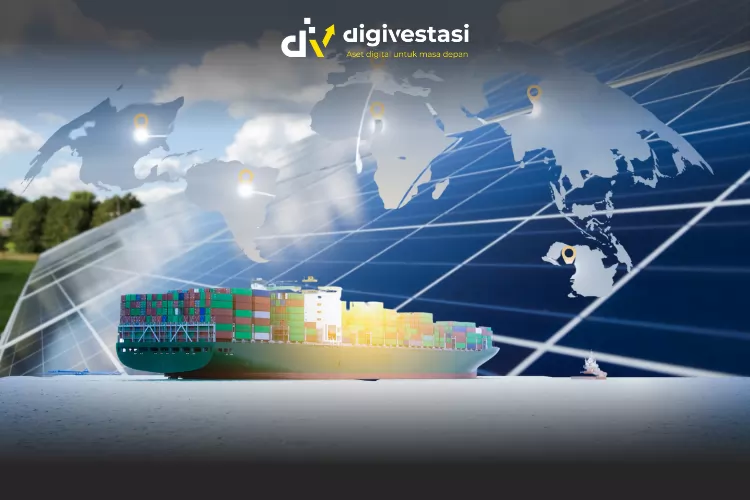
Various electronic products worth US$74 million or around Rp 1.1 trillion, mostly originating from Malaysia and Vietnam, were rejected entry into the United States (U.S.) last September.
According to official data quoted by Reuters on Wednesday (22/11/2023), electronic goods such as solar panels and microchips from the two neighboring countries of Indonesia were rejected and are being examined to determine whether their components are a result of ongoing forced labor in China.
In June 2022, the U.S. implemented stricter regulations on human rights violations in Xinjiang, China, the home to the Uighur minority, mostly of Islamic faith.
According to the latest data from U.S. Customs, these strict regulations led to scrutiny of more than 6,000 shipments carrying goods worth over US$2 billion (Rp31.1 trillion) until September. Nearly half of them were rejected or still awaiting approval.
In September alone, shipments worth US$82 million (Rp1.2 trillion) were rejected or detained for examination, with 90% of them being electronic goods. This figure surged from less than US$20 million in August.
More than two-thirds of the rejected or detained cargo came from Malaysia or Vietnam, which are major exporters of solar panels and semiconductors to the United States. Vietnam also serves as a significant supplier of textiles, footwear, and finished clothing.
Meanwhile, Xinjiang is a major producer of cotton and polysilicon, used in photovoltaic panels and semiconductors.
Malaysia and Vietnam have cargoes worth around US$320 million (Rp4.9 trillion), each rejected or detained for examination since the implementation of these new regulations, almost three times more than cargo from China.
Although only a small part of the overall trade with Washington, the combined semiconductor exports from both countries were valued at over US$730 million (Rp11.3 trillion) in August alone.
It is unclear whether companies have postponed shipments due to these issues. Meanwhile, U.S. Customs authorities, the Malaysian Ministry of Trade, and the Vietnamese Ministry of Industry have not commented on this matter.
Source: cnbcindonesia
What do you think about this topic? Tell us what you think. Don't forget to follow Digivestasi's Instagram, TikTok, Youtube accounts to keep you updated with the latest information about economics, finance, digital technology and digital asset investment.
DISCLAIMER
All information contained on our website is summarized from reliable sources and published in good faith and for the purpose of providing general information only. Any action taken by readers on information from this site is their own responsibility.
SHARE
VIEW


