


Technology Update
Apple Is 8 Years Late? China's Royole Launched a Foldable Phone Back in 2018
/index.php
Berita Terkini - Posted on 05 January 2026 Reading time 5 minutes
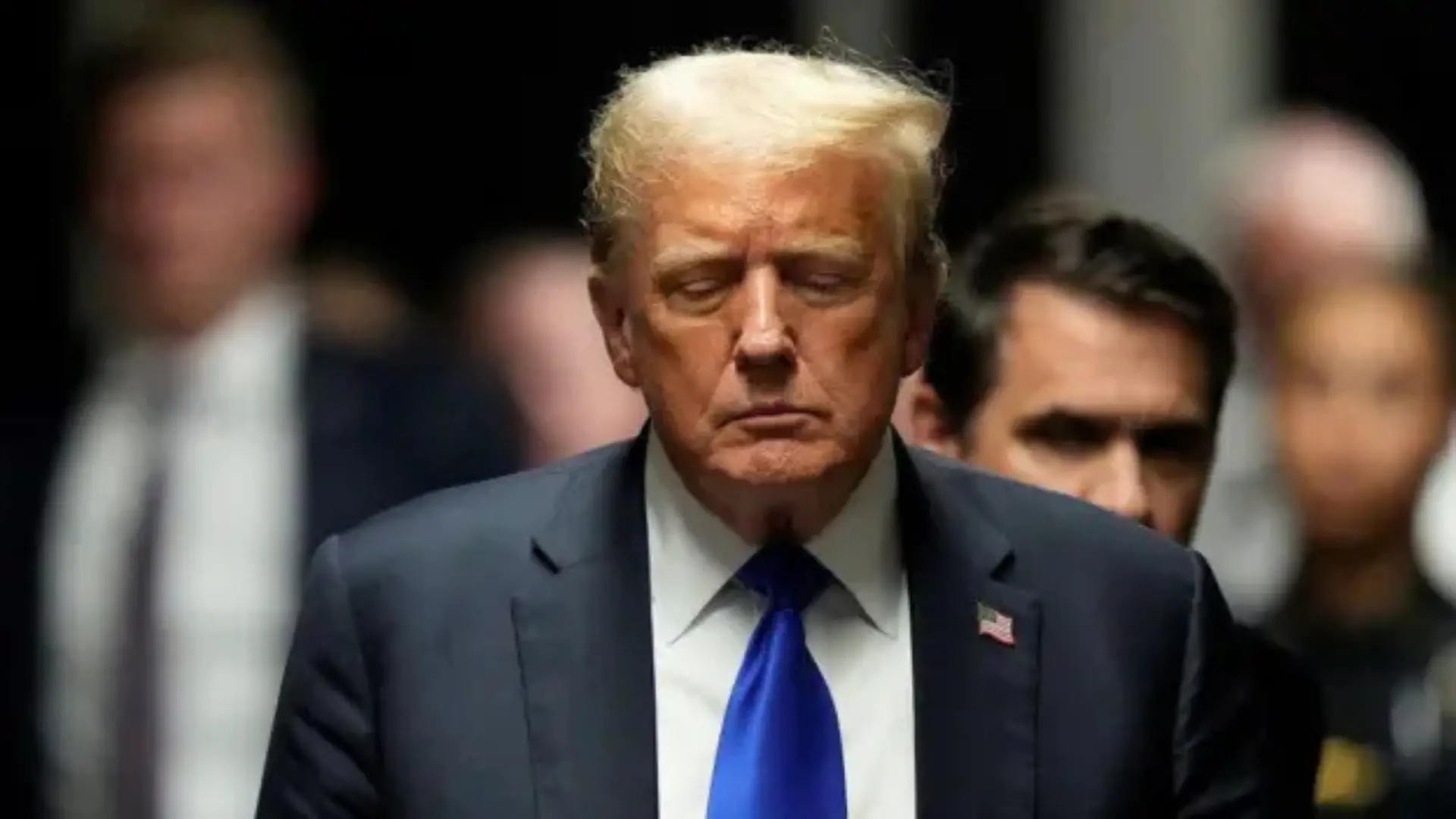
U.S. President Donald Trump detained Venezuelan President Nicolás Maduro and his wife, Cilia Flores, in Brooklyn, New York, on Saturday (3/1). Both were scheduled to appear in court for formal charges on Monday.
The arrest followed a large-scale U.S. military assault on Caracas, Venezuela’s capital, after which Maduro and his wife were flown to the United States. The operation drew strong criticism from political experts and the international community, who argued that the forced detention violated international law and infringed on national sovereignty.
The arrest of Maduro was not the first instance of the United States targeting a foreign leader. Under Article I of the U.S. Constitution, Congress holds the authority to approve war and requires the president to seek authorization before launching overseas military operations. The War Powers Resolution of 1973 further obliges the president to notify Congress within 48 hours of ordering military action and limits troop deployments beyond 90 days without formal approval.
However, as commander-in-chief, the president retains limited authority to order short-term or small-scale military operations unilaterally. From an international law perspective, the use of force is prohibited except under narrow circumstances, such as authorization by the UN Security Council or acts of self-defense.
Columbia University law professor Matthew Waxman stated that allegations against Maduro involving drug trafficking and gang violence do not meet international legal standards for armed conflict. He emphasized that criminal indictments alone do not justify the use of military force to overthrow a foreign government.
Several observers also consider Maduro’s forced transfer from Venezuela to the U.S. to be unlawful. Despite widespread criticism, U.S. authorities may justify the operation by citing a 1989 Justice Department legal memo asserting that the president has inherent constitutional authority to order the FBI to detain individuals abroad, even if such actions violate international law.
The United States has previously detained foreign figures it labeled as criminals, such as in Libya, though those actions were conducted with the consent of local governments. In Maduro’s case, Washington has not recognized him as Venezuela’s legitimate leader since the 2019 election, and Trump did not notify Congress about the planned attack or arrest. Nonetheless, Maduro remains recognized domestically as Venezuela’s president and is entitled to head-of-state immunity under international law.
Historically, the U.S. arrested Manuel Noriega, Panama’s de facto leader from 1983 to 1989, accusing him of drug trafficking and launching a military invasion of Panama. Courts later deferred to the executive branch’s decision denying Noriega immunity. The U.S. also arrested Honduran President Juan Orlando Hernández in 2022, extraditing him to face corruption and drug trafficking charges before he was later pardoned by Trump.
Additionally, U.S. forces captured Iraqi President Saddam Hussein in December 2003, nine months after invading Iraq. Hussein was accused of possessing weapons of mass destruction and supporting Al Qaeda, allegations that were never substantiated. He was later tried in Iraq for crimes against humanity and executed on December 30, 2006.
Source: cnnindonesia.com
What do you think about this topic? Tell us what you think. Don't forget to follow Digivestasi's Instagram, TikTok, Youtube accounts to keep you updated with the latest information about economics, finance, digital technology and digital asset investment.
DISCLAIMER
All information contained on our website is summarized from reliable sources and published in good faith and for the purpose of providing general information only. Any action taken by readers on information from this site is their own responsibility.
SHARE
VIEW


