


Technology Update
Apple Is 8 Years Late? China's Royole Launched a Foldable Phone Back in 2018
/index.php
Bisnis | Ekonomi - Posted on 14 April 2026 Reading time 5 minutes
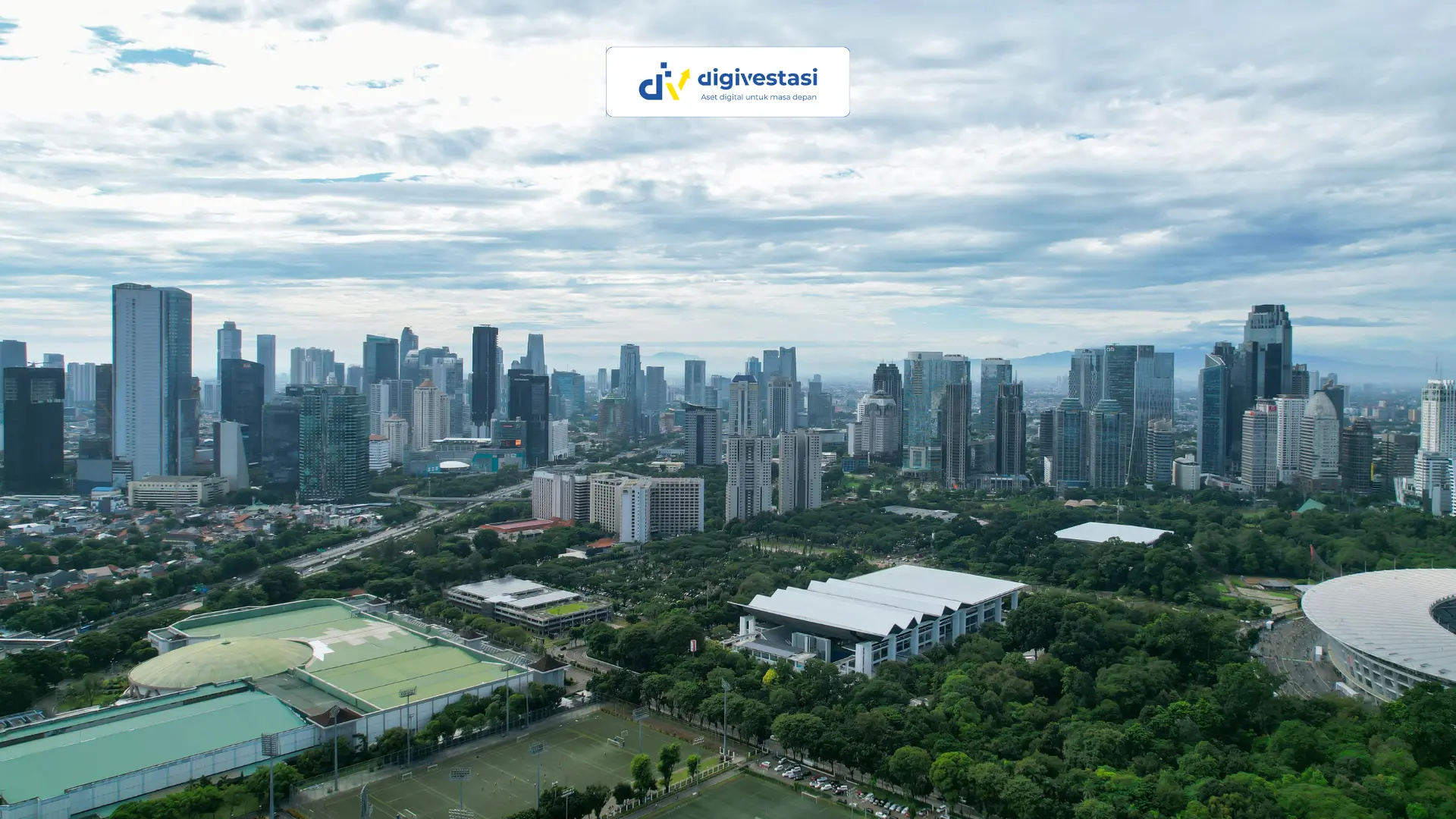
Coordinating Minister for Economic Affairs Airlangga Hartarto stated that Indonesia’s economy remains resilient despite ongoing global turbulence, and its current condition is far from the crisis experienced in 1998.
Among G20 countries, Indonesia recorded the second-highest economic growth in 2025 after India, at 5.11 percent. Meanwhile, Indonesia’s budget deficit is below 3 percent, which is relatively low compared to other G20 nations, such as India at 4 percent, France at 4.4 percent, and the United States at 6.3 percent.
The International Monetary Fund (IMF) and the World Bank project global economic growth to range between 2.6 and 3.3 percent. In contrast, Indonesia is expected to grow at around 5.3 percent this year.
Airlangga also expressed optimism that Indonesia’s economic growth in the first quarter of 2026 could reach approximately 5.5 percent.
He emphasized that the current situation is significantly different from 1998, with GDP growth recorded at 5.11 percent, projections above 5.3 percent for this year, and expected first-quarter growth of around 5.5 percent. He conveyed this during a media briefing with international outlets at the Bakom RI Auditorium in Jakarta on Monday (April 13, 2026).
According to a Bloomberg report, Indonesia is among the countries with a low probability of entering a recession, estimated at only 5 percent. By comparison, the likelihood of recession is 15 percent for Brazil and China, and 30 percent for both Japan and the United States.
Airlangga explained that Indonesia’s resilience is supported by strong domestic demand, which contributes about 54 percent to GDP, along with solid food and energy security.
In terms of food security, Indonesia under President Prabowo Subianto’s administration has achieved rice self-sufficiency since 2025. Rice production reached 34.7 million tons, with Bulog reserves at 4.6 million tons as of April 8, 2026—the highest level in history.
To strengthen energy security, the government plans to implement the B50 policy, expand solar energy development, and increase oil refinery capacity.
The state budget (APBN) also serves as a buffer to protect the public from economic shocks, with various social assistance programs targeted at low-income groups. Additionally, tax revenue has improved, reaching Rp462.7 trillion as of March 2026, growing 14.3 percent year-on-year, while the fiscal deficit remains under control.
Airlangga also noted that Indonesia’s foreign exchange reserves stand at approximately USD 148.2 billion, equivalent to six months of imports.
From a social perspective, the poverty rate has continued to decline to below 10 percent, currently at 8.25 percent. Income inequality has also decreased, with the Gini ratio at 0.363, while the unemployment rate has been reduced to 4.7 percent.
The government’s debt ratio stands at 40.46 percent of GDP, or around Rp9,637.9 trillion. However, most of this debt is domestically sourced, with foreign ownership of government bonds (SBN) at only 12.6 percent, thereby reducing external vulnerability.
He concluded that the dominance of domestic debt helps keep exposure to external shocks under control.
Source: liputan6.com
What do you think about this topic? Tell us what you think. Don't forget to follow Digivestasi's Instagram, TikTok, Youtube accounts to keep you updated with the latest information about economics, finance, digital technology and digital asset investment.
DISCLAIMER
All information contained on our website is summarized from reliable sources and published in good faith and for the purpose of providing general information only. Any action taken by readers on information from this site is their own responsibility.
SHARE
VIEW


