


Technology Update
Apple Is 8 Years Late? China's Royole Launched a Foldable Phone Back in 2018
/index.php
Bisnis | Ekonomi - Posted on 05 December 2023 Reading time 5 minutes
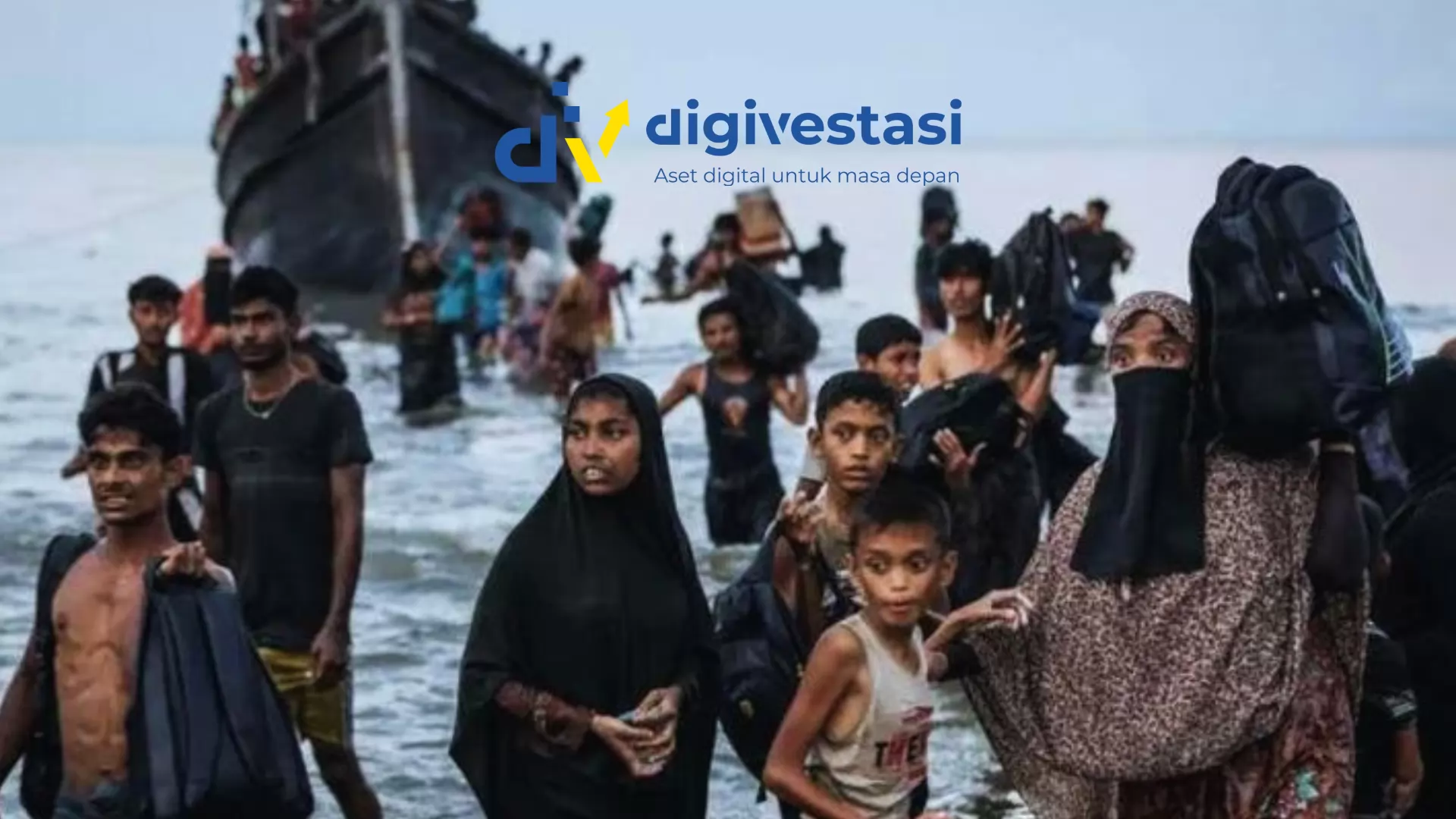
DIGIVESTASI - In the Rohingya tragedy, Aceh is an expression of hope and a place of humanitarian solidarity. When many others refused, the people of Aceh warmly welcomed the refugee group like family. But that was before the sympathy faded due to the misbehavior of the guests in the Land of Rencong.
In the midst of the Rohingya refugee wave two weeks ago, the change in attitude of some residents was reflected. What was unusual was that local residents were prohibited from landing their boats on Mecca's veranda. This was due to their disgust with the actions of previous refugees who were accused of ignoring customary norms and Islamic law.
Rohingya refugees are negatively labeled because they often get into trouble and are reluctant to keep themselves clean. They are known to be reckless and sometimes do things outside the rules, such as escaping from animal shelters. Apart from behavioral factors, the rejection is also influenced by the limited capacity of the local government.
The Trail of Rohingya Refugees
The wave of public anger has been visible for a long time. Similar protests by Loksmawe city residents also occurred in the outskirts of Birweng and North Aceh provinces in late 2022. The actions of most Rohingya refugees are considered subversive and subversive to public order.
The Rohingya are a Muslim minority in Myanmar. As Buddhist ultranationalists gained power, their lives were oppressed. Apart from not being recognized as citizens, the Rohingya were also subjected to cruel and sadistic treatment. The threat of genocide left them adrift at sea, earning them the nickname "boat people".
The word Rohingya is said to come from the Arabic word ram which means mercy. Some say it comes from the Sanskrit word meaning mountain. Haradan Kumar Mohajan, assistant professor at Bangladesh Premier University, said the origin of the Rohingya people is debatable. The term Rohingya was not recorded in the 1824 British census and only became widely known in the 1950s. However, there is an opinion that it existed even before the 20th century.
The Rohingya are believed to be originally from Chittagong, Bangladesh, and began migrating to Myanmar (formerly Burma) in the 19th century. Their neighbor and relative, Bangladesh, is an important refuge for the Rohingya from the chaos in Myanmar's Rakhine state. The country hosts about 1 million refugees, according to the United Nations High Commissioner for Refugees (UNHCR).
As of October 2023, the number was 967,842 people. In Bangladesh, the lives of Rohingya refugees are of great concern. Future planning options are limited and uncertainty is high. This situation causes them to flock to many countries, but they are often rejected. After not being accepted in many places, a helping hand was extended from Indonesia's westernmost province, Aceh.
Like Bangladesh, Indonesia is just a transit point. The Rohingyas' dream destination is a developed country like Australia. On the other hand, Indonesia has not ratified the 1951 Refugee Convention and its 1967 Protocol, so it is not responsible for the permanent accommodation of refugees and asylum seekers. According to a UNHCR report, in February 2023, Indonesia hosted 12,805 refugees and asylum seekers from 51 countries.
About 8% of them are Rohingya. They previously attracted attention for their frequent attempts to escape from animal shelters and smuggle themselves into neighboring Malaysia. Malaysia is the second largest Rohingya refugee haven after Bangladesh. About 90% of them live in both countries. Based on UNHCR data, until October 2023, there were a total of 184,220 refugees and asylum seekers in Malaysia.
Of these, 107,030 are Rohingya. Despite playing an important role in the rescue efforts of the Rohingya community, neither Malaysia nor Bangladesh have ratified the 1951 Refugee Convention and 1967 Protocol. Like Indonesia, neither country is responsible for hosting refugees. This goodwill is influenced by unity among Muslims.
Economic Impact
UNHCR noted that the total global refugee population reached 35.3 million in June 2023. This number includes 29.4 million people under UNHCR's mandate and another 5.9 million people under the UN relief agency UNRWA. In addition to refugees, at least 5.4 million people are currently seeking asylum.
Up to 76% of the world's refugees live in low- and middle-income countries. Take Indonesia for example. Currently, our country occupies the status of an upper middle-income country. Indonesia first received Rohingya refugees in 2015. At that time, the group was floating in the waters of Aceh. To facilitate their lives in emergency shelters, the Indonesian Ministry of Social Affairs allocated a budget of IDR 2.3 billion. These funds are used to cover clothing needs such as blankets and children's clothing.
Rohingya refugees continue to arrive in Myanmar due to the ongoing crisis in the country. However, strict immigration policies in destination countries such as Australia and the United States cause problems for transit countries such as Indonesia. Longer storage periods also have implications for the recipient's economic sector.
Satria Rizaldi Archhatib, in his research entitled "The Political and Economic Impact of the Rohingya Refugee Crisis: Challenges and Opportunities for Humanitarian Intervention in Post-Conflict Spaces" (2021), argues that the long-term presence of Rohingya refugees is mentioned that it can be beneficial at the same time. . As is known, Indonesia is entering the demographic bonus period. This means that the working-age population is abundant.
This needs to be supported by industrial and infrastructure development to stimulate the economy. However, this opportunity risks being lost if the funds needed to cover the costs of refugee care run out. Indonesia is not the only transit country affected, Rohingya refugees are causing social, environmental and economic problems in Myanmar's neighboring Bangladesh, which has been a loyal and safe haven for the ethnic group since 1978.
Indeed, this is true. In 2023, the Government of Bangladesh in collaboration with UNHCR asked partner countries to help raise humanitarian funds for the Rohingya. The amount needed is estimated at $876 million or equivalent to IDR 13.14 trillion (assuming an exchange rate of IDR 15,000/USD). Hosting millions of Rohingya refugees and ensuring their survival is costly.
In addition, potential socio-economic losses must also be considered. The long-term presence of refugees increases the incidence of gender-based violence by 50%, reduces health services for the local population, and creates conflict. They also erode groundwater supplies, contributing to deforestation and contamination of agricultural land. About 3,500 hectares of land were found to be affected.
That's not the only problem. The increase in the number of refugees increased the flow of demand and raised the prices of basic goods. Even if people's income does not increase at the same time. The presence of refugees not only creates inflationary pressure but also has an impact on the decline of wages and the labor market for Bangladeshi nationals, especially in the refugee camp areas. According to research, farmers' daily wages fell by 50% from 2017 to 2019.
Rohingya refugees are willing to take a pay cut because they receive assistance to fulfill their daily needs. However, the situation is slightly different in Malaysia. Andika Abu Wahab points out that Rohingya refugees actively participate in informal economic activities in the country.
These activities collectively strengthen refugees' social interactions and ultimately increase their contribution to community development. Their involvement in the informal economy also shows that they are indeed trying to be self-reliant or reduce their dependence on host support. This finding indirectly refutes the misconception that Rohingya in Malaysia are physically and economically isolated.
Although they are still confined to communal settlements, participation in the informal economy proves beneficial to those outside the community. In other words, Rohingya refugees contribute to the domestic economy of their host country. Therefore, they can actually be considered as an active population that adds value to Malaysia's economic development.
Source: tirto.id
What do you think about this topic? Tell us what you think. Don't forget to follow Digivestasi's Instagram, TikTok, Youtube accounts to keep you updated with the latest information about economics, finance, digital technology and digital asset investment.
DISCLAIMER
All information contained on our website is summarized from reliable sources and published in good faith and for the purpose of providing general information only. Any action taken by readers on information from this site is their own responsibility.
SHARE
VIEW


