


Saham News
IDX Revises JCI Criteria from November 2: What HSC Stocks Mean for Investors
/index.php
Bisnis | Ekonomi - Posted on 02 February 2026 Reading time 5 minutes
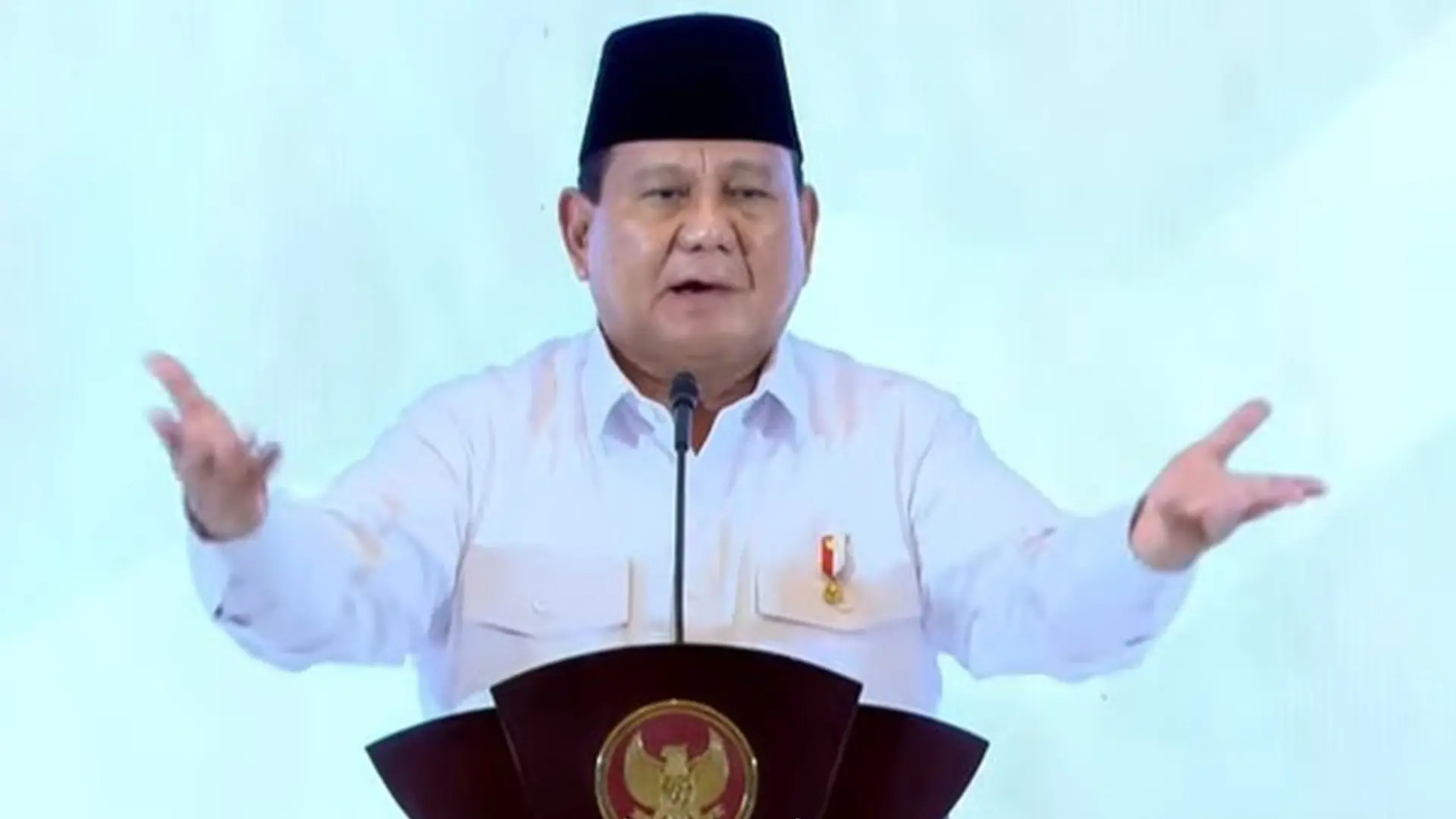
The discourse surrounding the replacement of directors at several state-owned banks is seen by Celios Executive Director Bhima Yudhistira as an attempt to strengthen President Prabowo Subianto’s inner circle within the financial sector. Transparency International Indonesia (TII) records that out of 104 key positions in state-owned enterprises, 48.6%—the largest share—are occupied by individuals affiliated with the Gerindra Party.
Earlier, President Prabowo’s nephew, Thomas Djiwandono, was appointed Deputy Governor of Bank Indonesia. However, Defense Minister Sjafrie Sjamsoeddin argued that the proposed reshuffle stems from concerns that credit distribution by banks under the Association of State-Owned Banks (Himbara) disproportionately benefits large corporations rather than small businesses.
Bright Institute economist Yanuar Rizky views these developments as part of President Prabowo’s broader effort to construct a command-style economic system that exerts control over multiple layers of economic policymaking. Both Bhima and Yanuar believe the reshuffle aims to ensure smooth funding flows to Prabowo’s strategic programs, while warning that such intervention could raise the risk of non-performing loans and trigger wider economic instability.
The discussion on replacing Himbara directors emerged amid a wave of resignations by officials at the Indonesia Stock Exchange (IDX) and the Financial Services Authority (OJK) following a sharp decline in the Jakarta Composite Index (JCI).
Sjafrie confirmed that President Prabowo plans to overhaul the boards of Himbara banks, citing concerns that current lending practices fail to adequately support small enterprises. Himbara—comprising Bank Mandiri, BRI, BNI, and BTN—plays a central role in distributing government assistance programs such as wage subsidies, social aid, and small business loans.
Sjafrie also criticized the performance of some SOE executives, alleging inefficiency and self-interest. The government, he said, intends to replace them with capable, patriotic, and credible figures, particularly from younger generations deemed more committed and competent.
Conversely, Danantara CEO Rosan Roeslani stated that no formal discussions regarding the reshuffle have taken place so far. He emphasized that Danantara remains open to consultations if improvements are needed, but no decisions have been made.
Bhima suspects a political agenda behind the proposal, drawing parallels with Thomas Djiwandono’s appointment at Bank Indonesia. He sees a pattern of delegitimizing existing leadership before installing figures close to power, and questioned why economic and SOE issues were voiced by the defense minister—suggesting possible tensions within Prabowo’s inner circle, including relations with OJK and Danantara.
TII describes such practices as political patronage, which it says has intensified under Prabowo’s leadership. Its June 2025 report found 165 politicians holding SOE positions, including 104 party members and 61 political volunteers, with Gerindra-affiliated figures dominating.
Market pressures intensified after the JCI fell following MSCI’s assessment of Indonesia’s free float data in its Global Standard Indexes. MSCI highlighted persistent investor concerns over ownership transparency, despite minor improvements reported by the IDX.
Bhima argues that the reshuffle reflects shortcomings in implementing Prabowo’s economic policies, including the Rp200 trillion liquidity injection in 2025, which he claims failed to translate into productive loans for MSMEs and instead supported large corporate refinancing. Control over Himbara banks, he added, would ease financing for flagship programs such as free nutritious meals, cooperatives, and food estates, albeit at the expense of prudent banking principles.
Yanuar likens this approach to the command economy model of Indonesia’s New Order era, which emphasized state-led development from rural areas to cities. However, unlike the 1980s—when programs were funded by budget surpluses from high oil prices—today’s conditions feature rising debt amid declining state revenues, resembling Mexico’s pre-default situation in the late 1970s.
Banking analyst Paul Sutaryono, meanwhile, views the reshuffle as an opportunity for a comprehensive cleanup of Himbara banks, following reforms at OJK and the IDX. He stressed that capital market reform should be prioritized, given MSCI’s governance improvement deadline set for May 2026.
Both Bhima and Yanuar agree that excessive intervention in credit allocation could lead to mounting bad loans, erode investor confidence, and destabilize the economy. Yanuar recalled that banking deregulation under Indonesia’s 1988 policy package ultimately contributed to the 1998 financial crisis by undermining prudential standards.
He concluded that fiscal expansion can only be effective if institutions are clean and efficient. With Indonesia’s ICOR still hovering around 6.3–6.4, Yanuar warned that without caution, the country risks repeating past mistakes and sliding into another economic crisis.
Source: bbc.com
What do you think about this topic? Tell us what you think. Don't forget to follow Digivestasi's Instagram, TikTok, Youtube accounts to keep you updated with the latest information about economics, finance, digital technology and digital asset investment.
DISCLAIMER
All information contained on our website is summarized from reliable sources and published in good faith and for the purpose of providing general information only. Any action taken by readers on information from this site is their own responsibility.
SHARE
VIEW


